
May 15, 2026
By Tayla Jayne Photography
35mm Film Wedding Photography: Why We’re Loving It (Again)

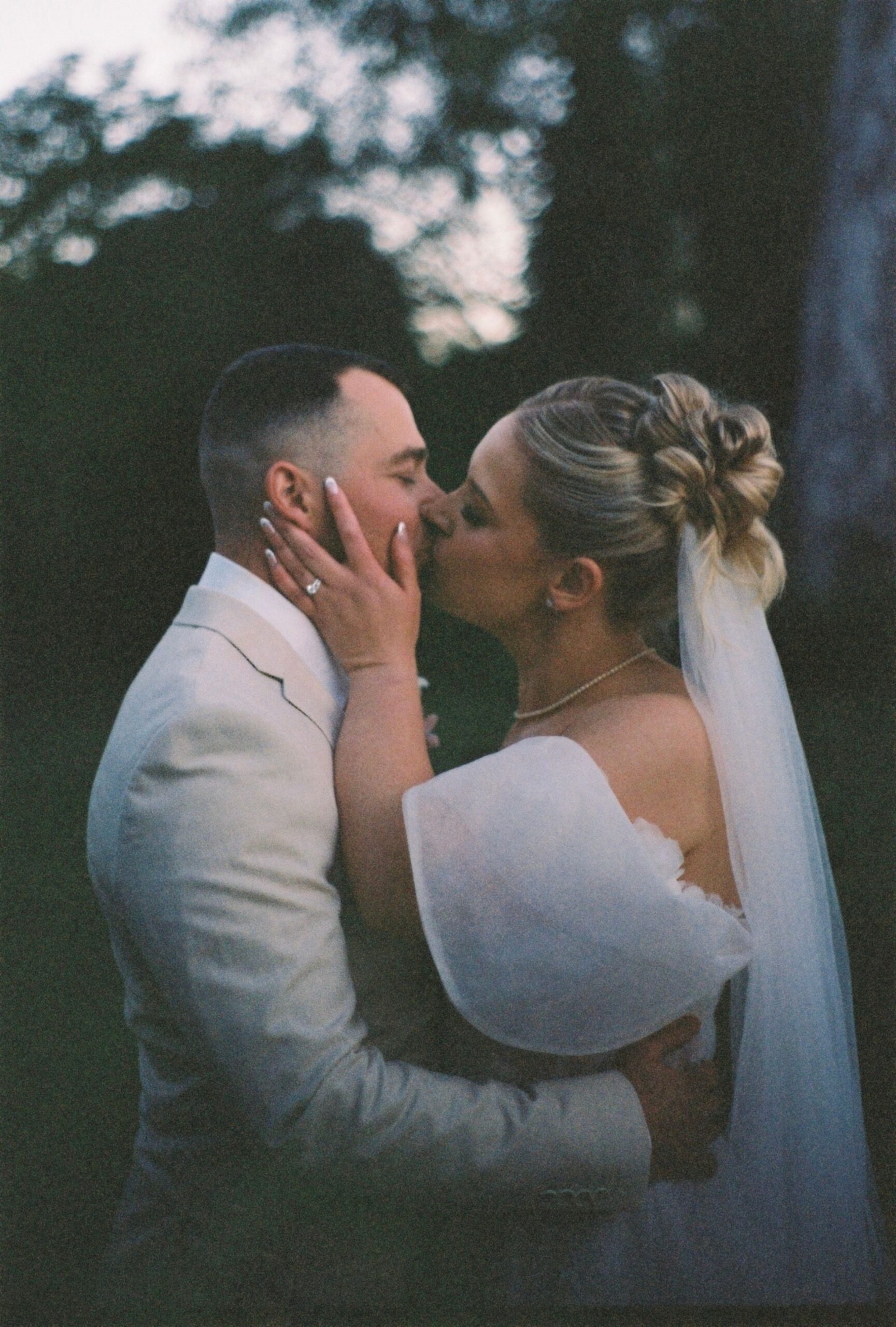
Over the past few years, 35mm film photography has made a comeback, becoming an increasingly popular option for weddings. In a fast-paced, highly digital world that often leans into perfection and instant results, film goes against the grain (no pun intended), offering something completely different. It slows everything down.
There’s something deeply grounding and nostalgic about it. It feels familiar in a way that’s hard to explain, like flipping through your parents’ or grandparents’ old photo albums, imagining what once was.
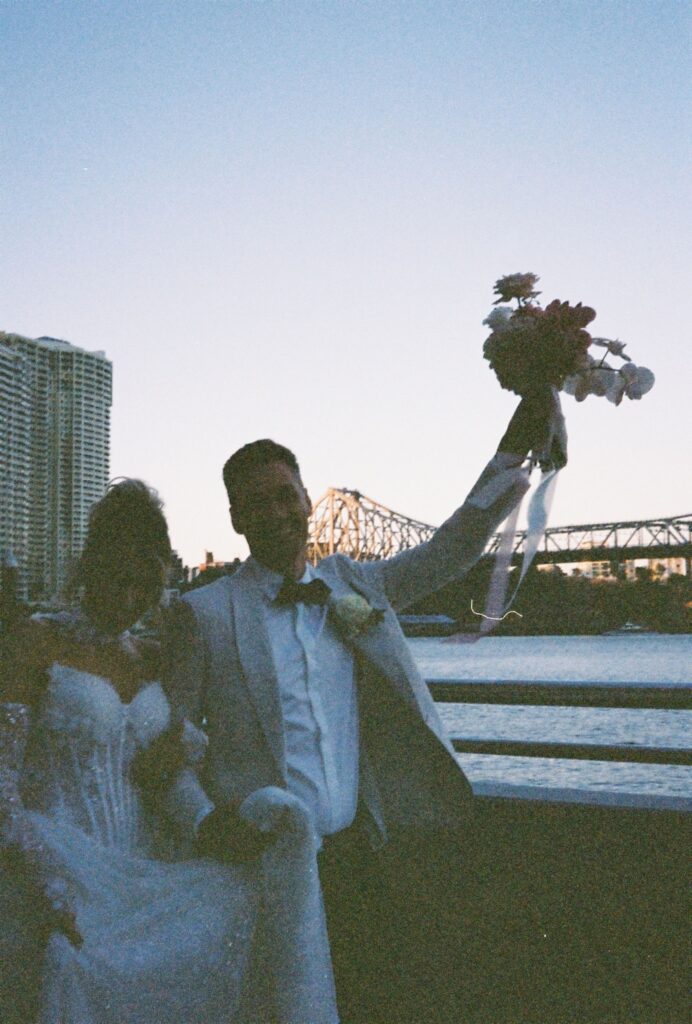
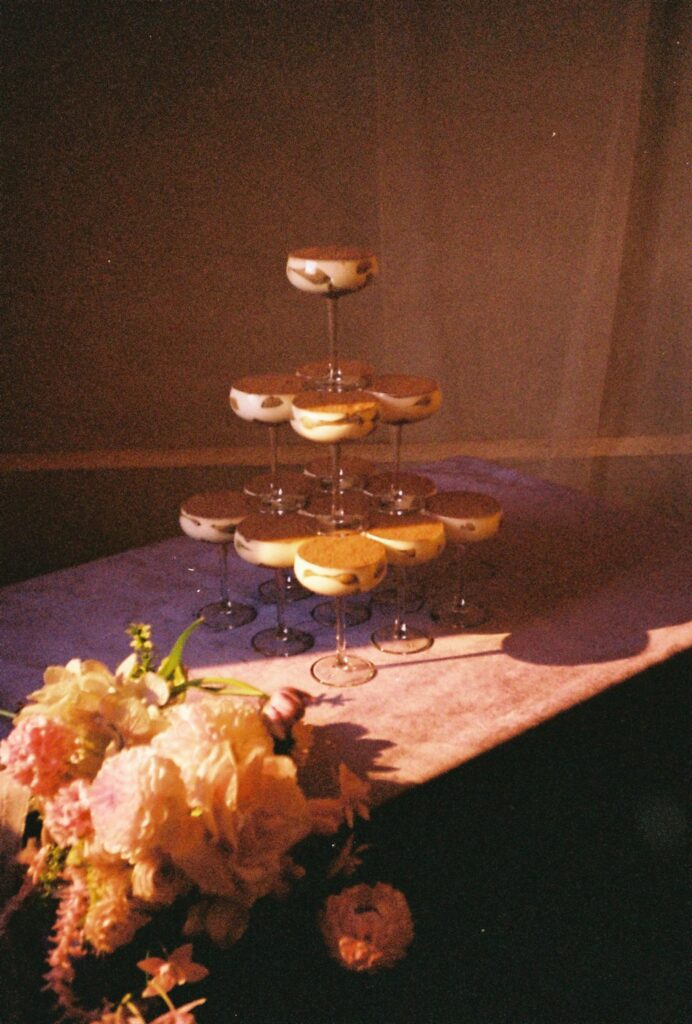
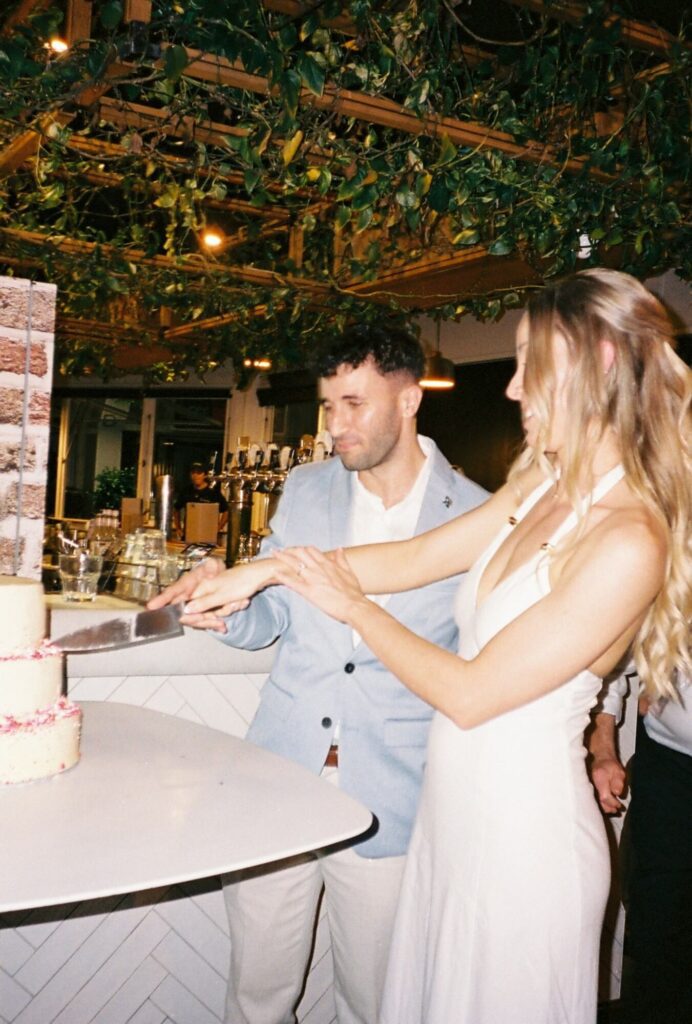
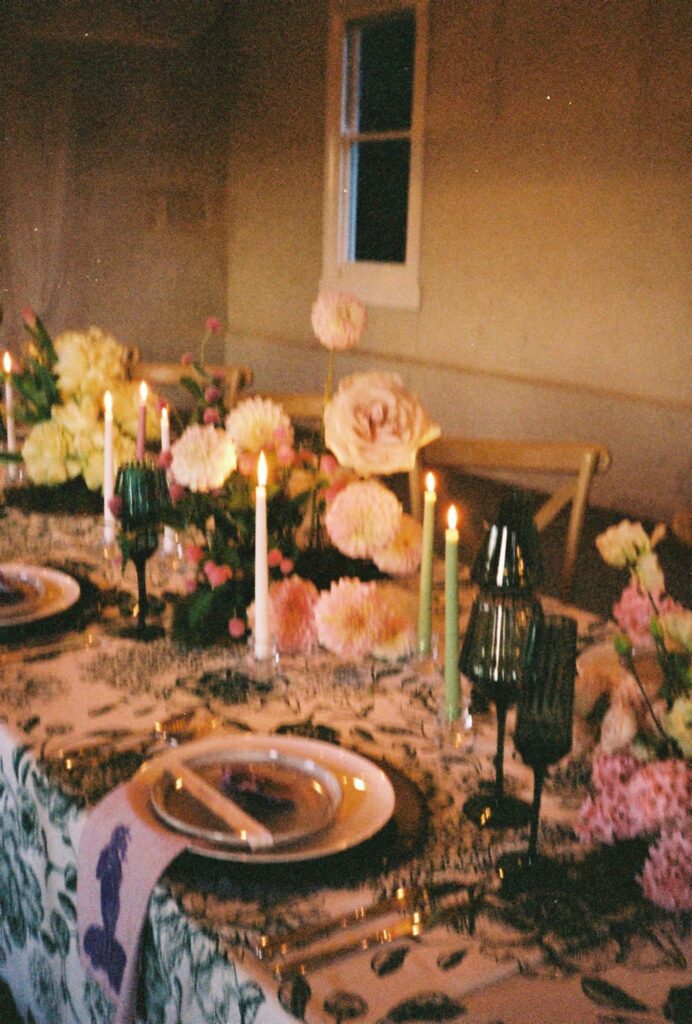
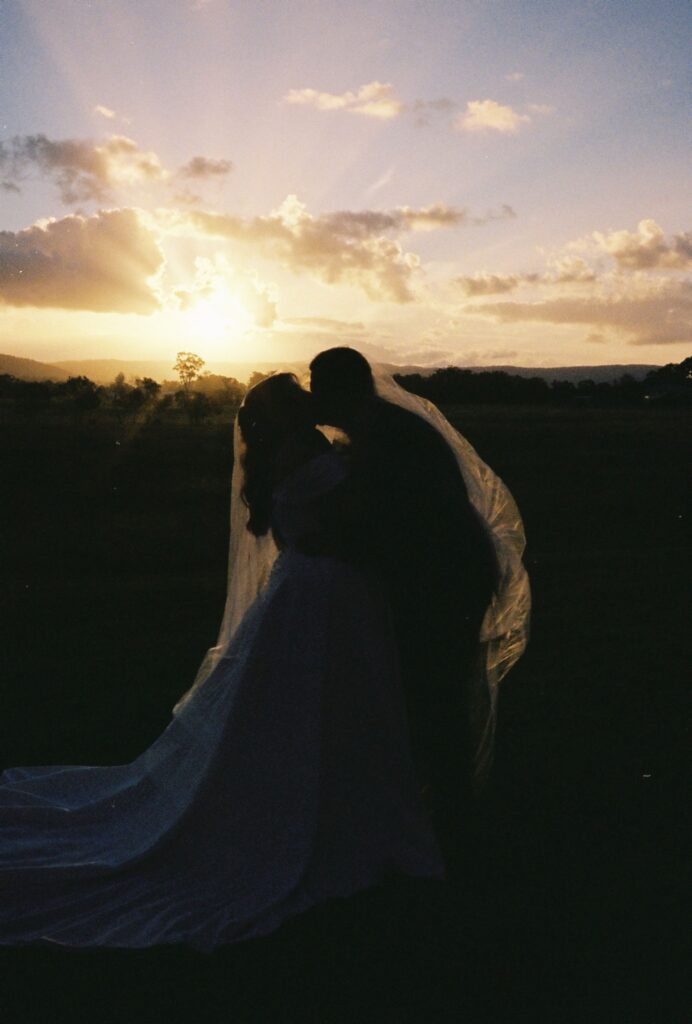
The slightly imperfect tones and subtle grain capture the realness of the moment, rather than something overly polished or staged.
So when it comes to capturing and remembering your wedding day, holding onto that raw, unaltered feeling becomes even more meaningful. It preserves your love exactly as it was, honest and real, without the need for fancy filters.
In this blog, we’ll explore the difference between digital and 35mm film wedding photography and why so many couples are choosing to include film as part of their wedding story.
What is 35mm Film Photography?
35mm film photography uses physical film to capture images rather than a digital sensor.
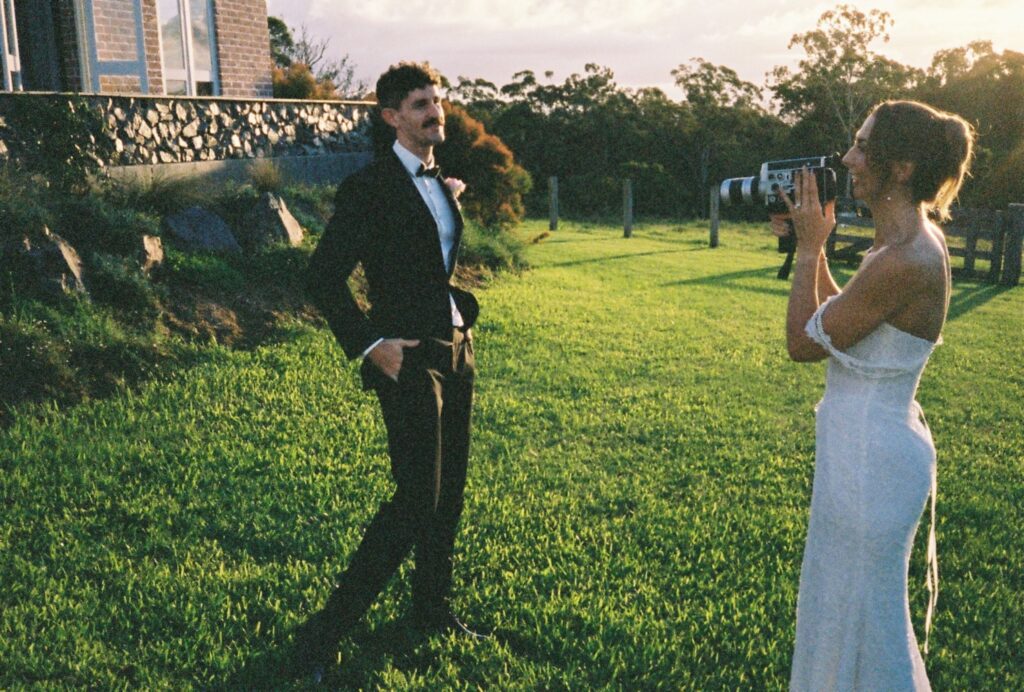
The “35mm” film refers to the width of the film strip, which is the most commonly used format in wedding photography. You may also hear of medium- or large-format film, but 35mm is the most versatile and popular option.
A roll of film is loaded into a film camera and exposed frame by frame as each photo is taken.
Digital vs. Film Wedding Photography
Film photography is a slower, more intentional process than digital photography. Each roll typically holds 12, 24, or 36 exposures, which need to be professionally developed and scanned before you can view the images—this is also why we can’t guarantee how many film photos you’ll receive, as it depends on how each frame turns out.
Due to the limited frames per roll, photographers tend to be more selective, often reserving film for meaningful, storytelling moments rather than shooting continuously.
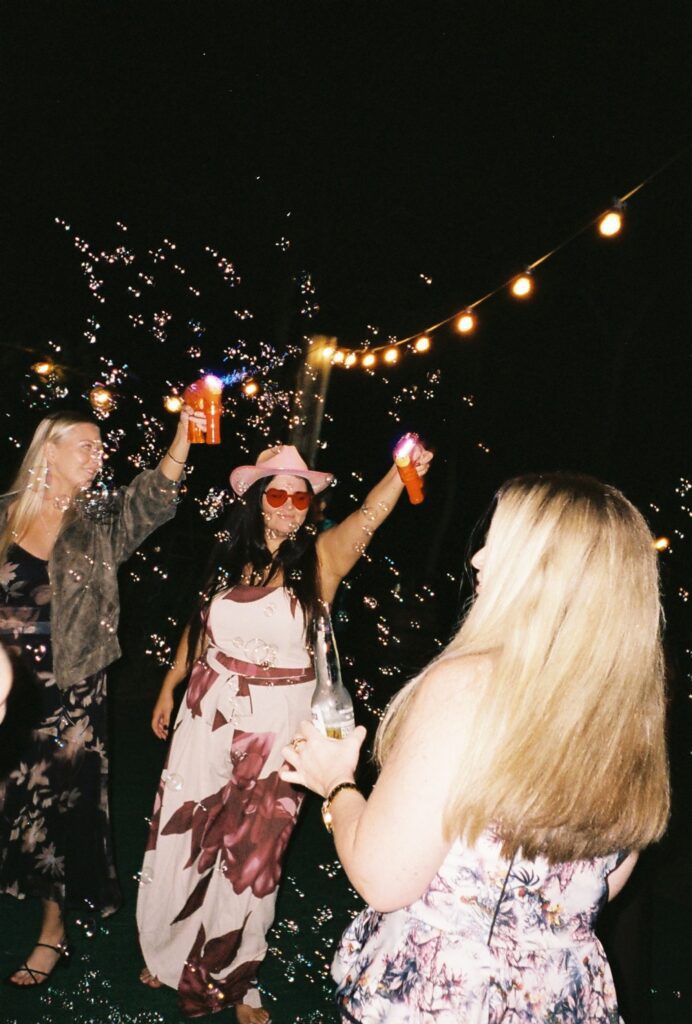
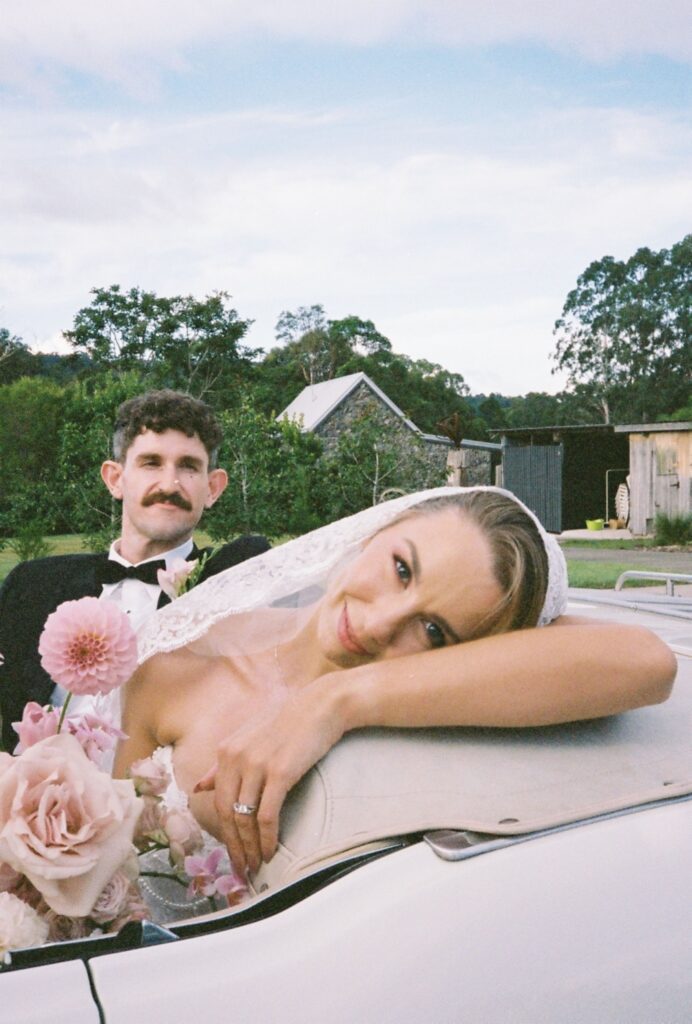
On the other hand, digital photography allows continuous coverage with instant previews, making it perfect for capturing all types of moments throughout the day.
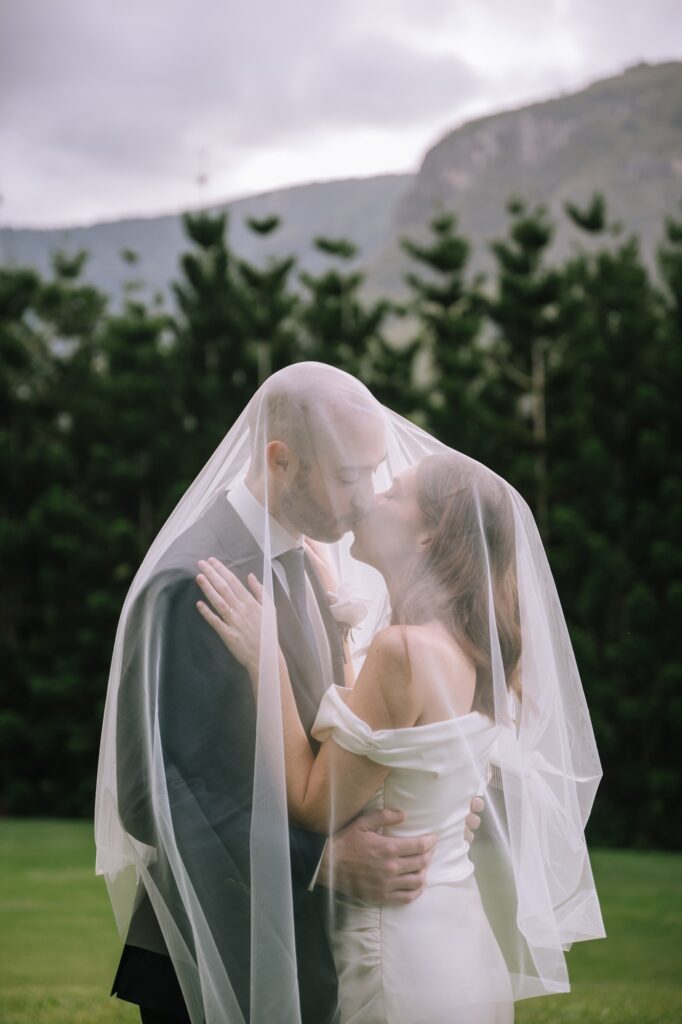
What makes 35mm film wedding photography so popular is the way it renders light, colour, and texture. Compared to the crisp, vivid detail of digital images, film tends to produce softer tones, natural grain, and a slightly imperfect, nostalgic quality that feels effortless and lived-in.
Here’s a Visual Side-By-Side Digital vs. Film Photography Comparison
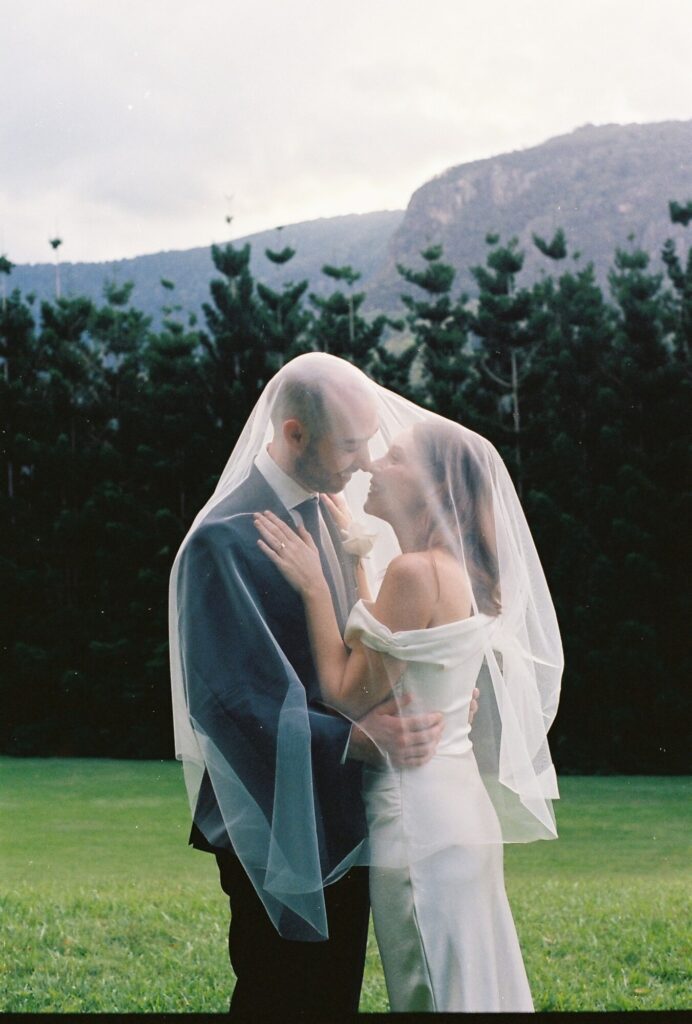
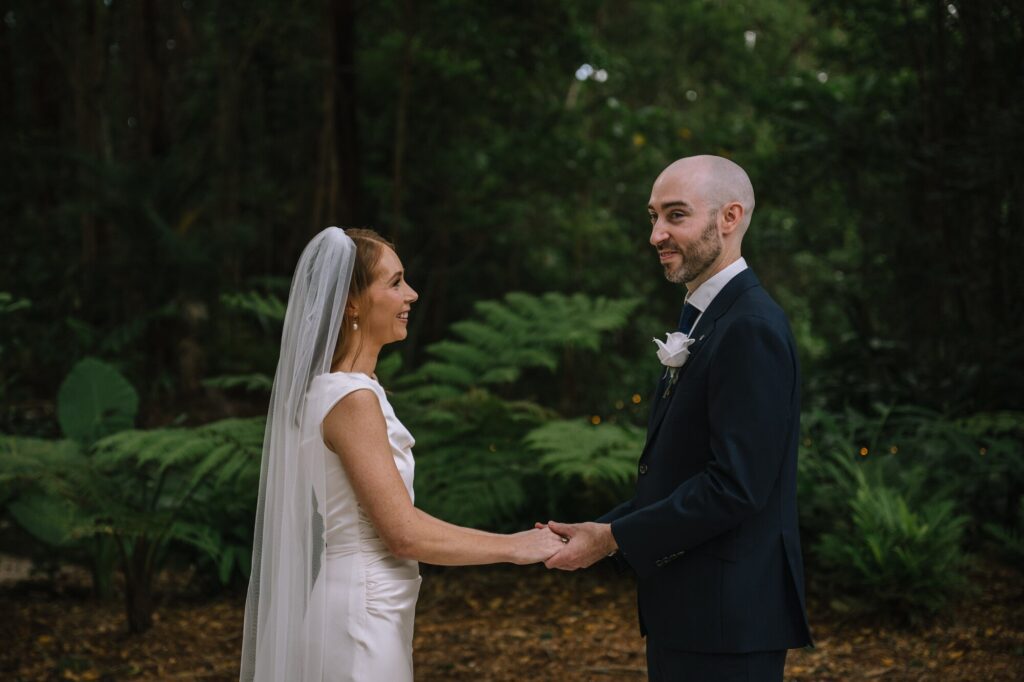
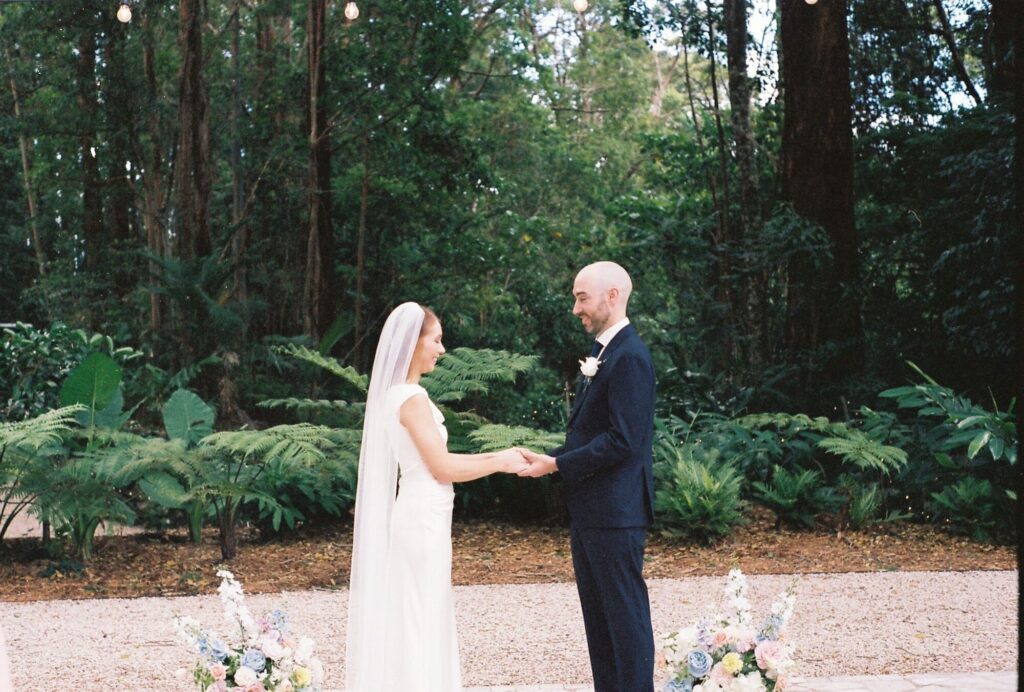
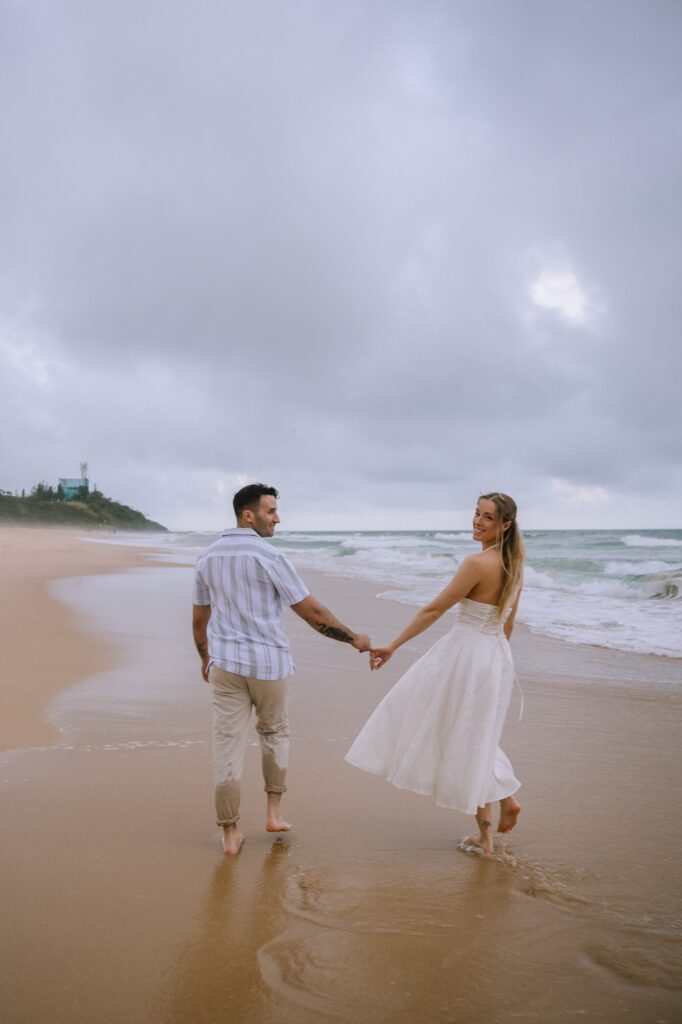
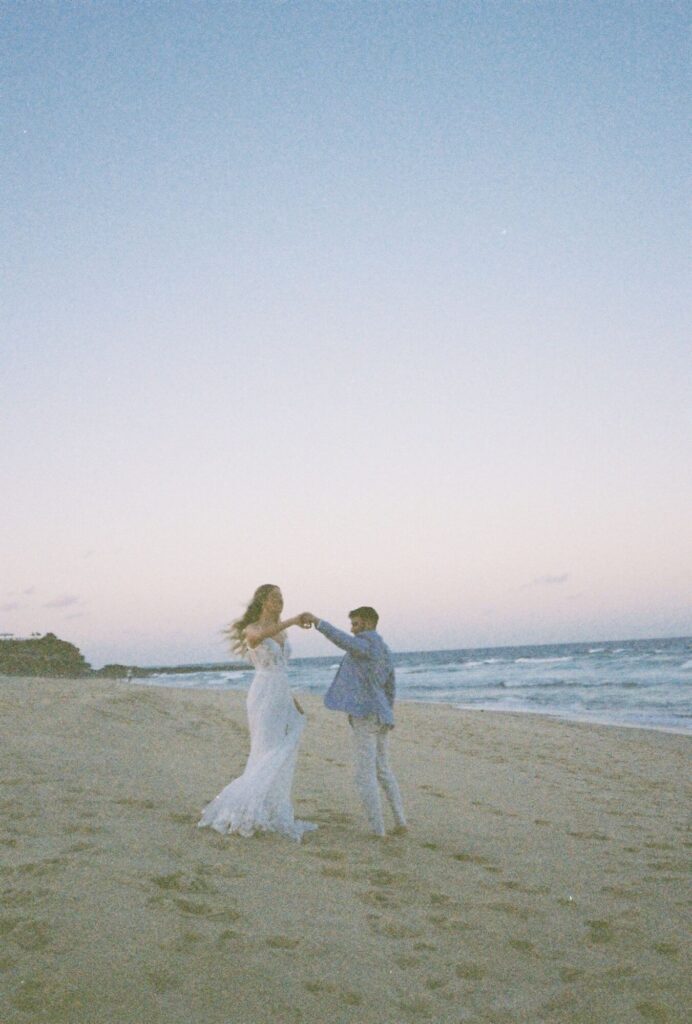
Aside from digital and film photography, learn more about the different types of wedding photography styles.
Let’s Compare the Features & Benefits of Digital vs. Film Photography
| Features | Digital Photography | Film Photography |
|---|---|---|
| How it works | Photos are taken using a digital camera and can be previewed on the spot. | Photos are taken on physical film, which needs to be developed and scanned by a professional film lab at a later date. |
| The process | Fast-paced, flexible, and can adapt easily to all types of lighting situations and “moments” throughout the day. | Slower and more intentional, with a limited number of frames per roll. |
| How it looks | Clean, sharp, and true-to-life, which gives your gallery a more modern, polished finish. | Soft and nostalgic with subtle colour shifts, giving your gallery a timeless, romantic feel. |
| Number of photos | Thousands of images can be captured across a full wedding day, depending on the memory card size and shooting style. | Each roll captures 12–36 images, resulting in a smaller, more curated selection within your final gallery. |
| Editing process | Images can be fully edited, including colour, lighting, and framing adjustments, after the wedding. | Very minimal editing. Film is scanned as it was captured, preserving its natural tones, texture, and slight imperfections. |
| Delivery timeframe | Much faster turnaround, as images can be backed up, sorted, and edited soon after the wedding day. | Longer turnaround due to the film needing to be developed, scanned, and then reviewed before delivery. |
A Professional Wedding Photographer’s Opinion: Film, Yay or Nay?
Short answer? Absolutely YAY.
As a Sunshine Coast wedding photographer, I love incorporating 35mm film as an add-on alongside digital coverage. It adds a beautiful layer of depth, texture, and nostalgia to your final gallery, while still giving you the reliability and flexibility of digital photography. In other words, you get the best of both worlds.
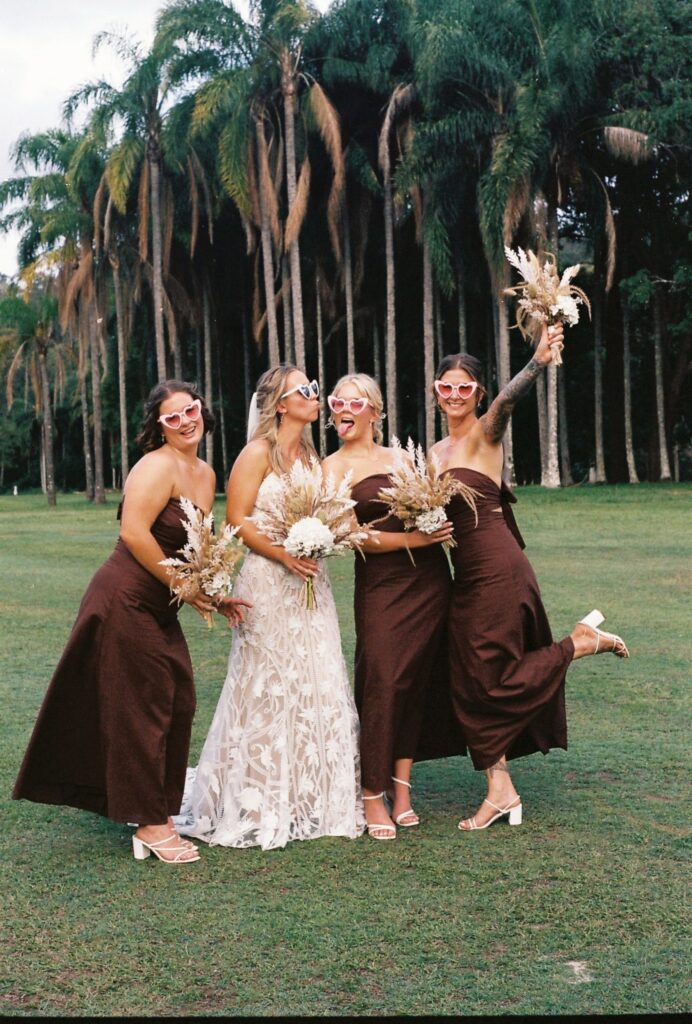
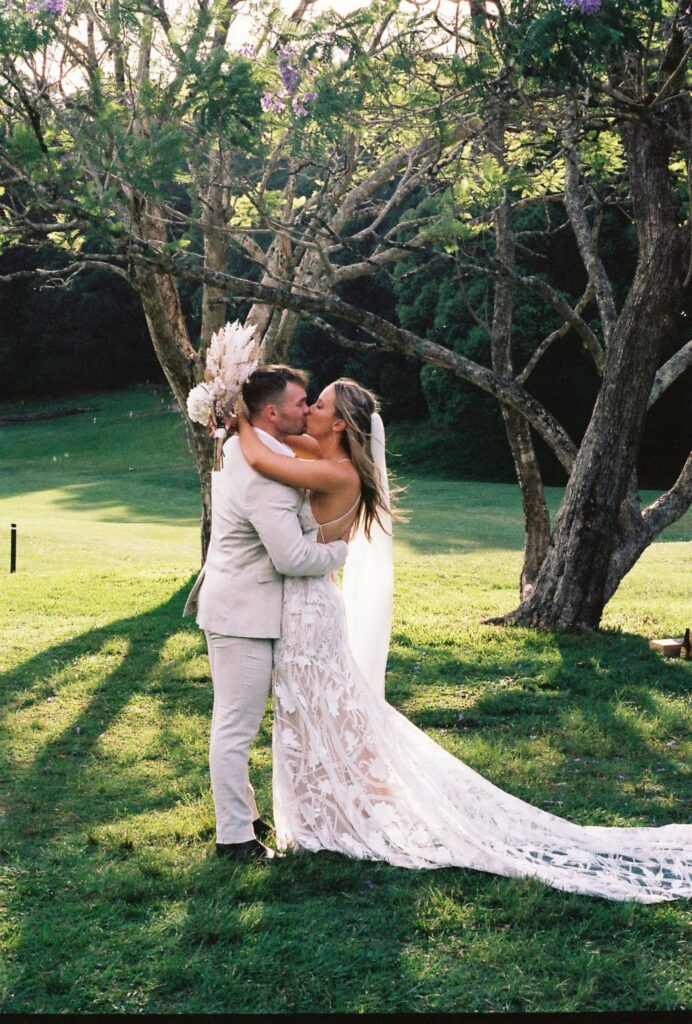
On a typical wedding day, you’ll find me switching between my digital camera gear and my two favourite film cameras: the classic Pentax K1000 and the Pentax 17. My go-to film stock is Kodak Portra 400, one of the most loved portrait films in the world, thanks to its natural skin colours and versatility across different lighting conditions.
That said, while honeymooning in Japan last year, I stocked up on a few Japanese film stocks, and I’ve been completely obsessed with the colours ever since. The tones are another level! If I could shoot every wedding with them, I absolutely would.
Film Wedding Photography FAQs
If you could choose only one, film or digital photography, which would you pick?
For weddings, I’ll always choose digital photography as the foundation. It allows me to capture your entire day without limitation, so no important or fleeting moments are missed, whether that’s your parents seeing you for the first time, a champagne spray with your wedding party, or those chaotic dancefloor moments.
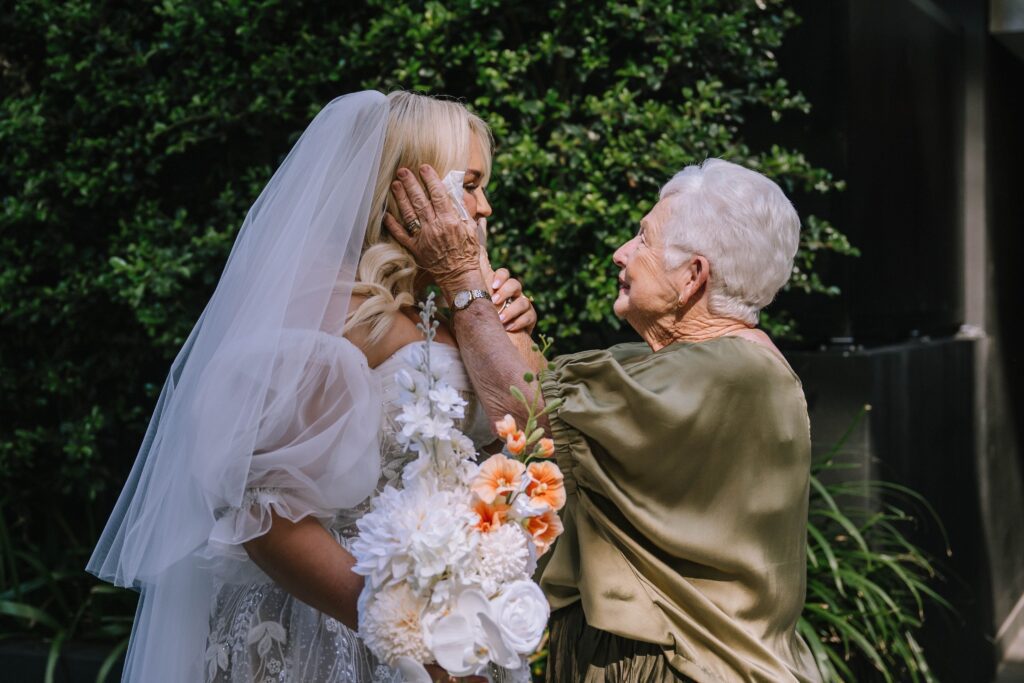
Being able to shoot continuously also gives me a wider selection to choose from when curating your final gallery, which helps create a cohesive and complete visual narrative of your day. While we’ll always go with the flow and avoid orchestrating moments, it also means we can easily preview and retake images on the spot, if needed.
That said, I always recommend adding 35mm film to layer a more nostalgic, cinematic feel to your final gallery, giving you the best of both worlds.
How will you balance shooting film vs digital?
Digital will form the main coverage throughout your entire wedding day, while film will be introduced for slower, more intentional moments. This might include getting ready details, couple portraits, and any quiet in-between moments when we have a bit more time up our sleeves.
Why can’t you guarantee that all the film shots will turn out?
Film is a physical medium, which means it has to be developed before we can see the results. Unlike digital photography, we’re not able to check or preview any shots on the spot. Lighting, movement, and exposure all play a role in how each frame turns out, and there’s very limited ability to adjust or retake shots once they’ve been captured.
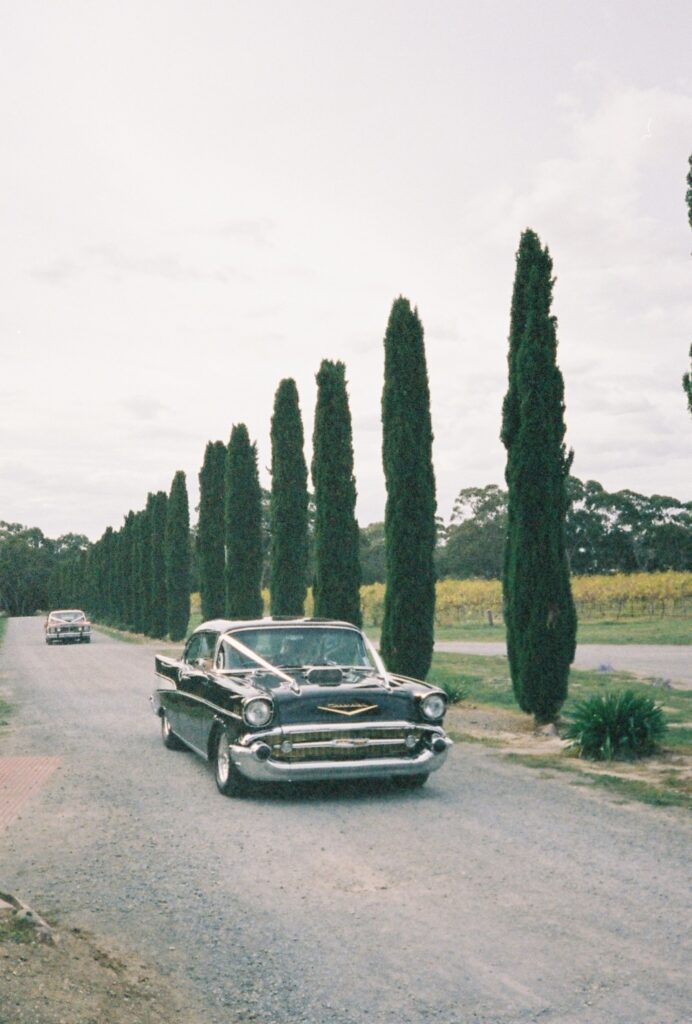
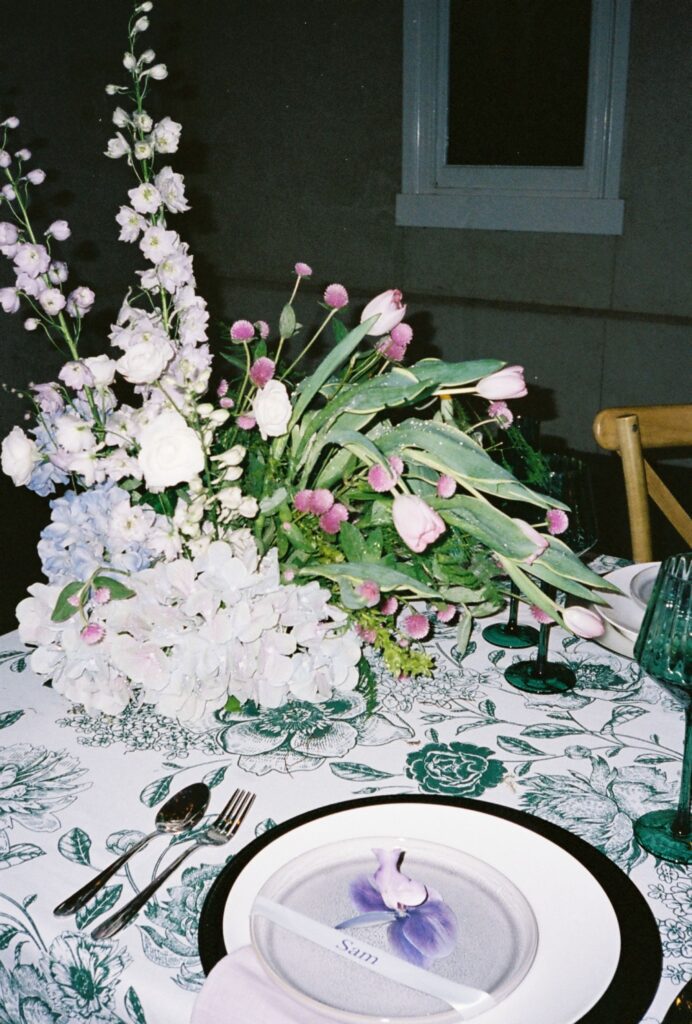
That unpredictability is also what makes film wedding photography so special, adding to the anticipation. It’s the epitome of raw, “honest” photography.
What’s the difference between actual 35mm film shots versus editing digital photos to get the film look?
Film photos are captured on real, physical 35mm film and developed by a professional lab, giving them their natural grain and nostalgic quality.
On the other hand, a digital “film look” is created using editing filters or presets to replicate that aesthetic. While both can look beautiful, real film images have a softness and depth that can’t be perfectly replicated digitally.
Can you edit film photos?
Very minimally. Once the processing lab professionally develops your film, it’s then scanned and delivered to me. From there, I can only make minor edits, such as adjusting the brightness or cropping, if needed.
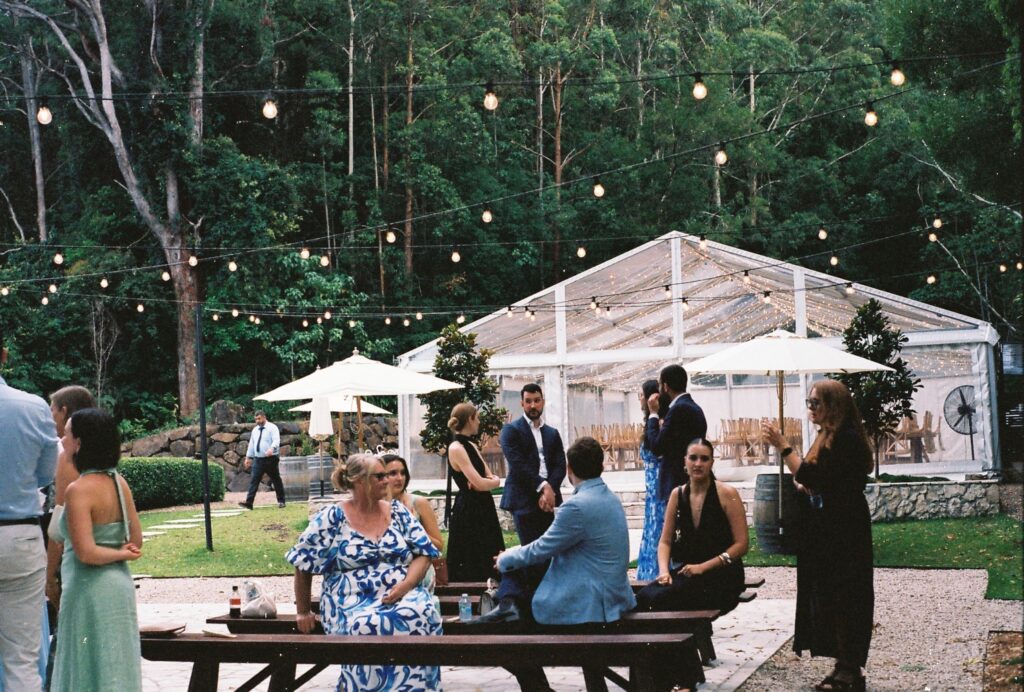
The colours, tones, and grain are all part of the original frame captured on film and are intentionally preserved, which is what gives it its unique character.
How much does it cost to add 35mm film to our wedding photography package?
You can add 35mm film to your favourite wedding photography package as an optional extra, starting from $250 per roll (24-36 images per roll).
Total pricing will depend on the number of rolls and the coverage length, so I can tailor it to your timeline and the amount of film you’d like included.
Why 35mm Film is the Perfect Addition to Your Wedding Memories
Filled with so many emotions and moving parts, there’s no doubt your wedding day will pass quickly. Adding 35mm film into the mix encourages us to slow down and create space for the quieter, in-between moments just as much as the big, joy-filled highlights.
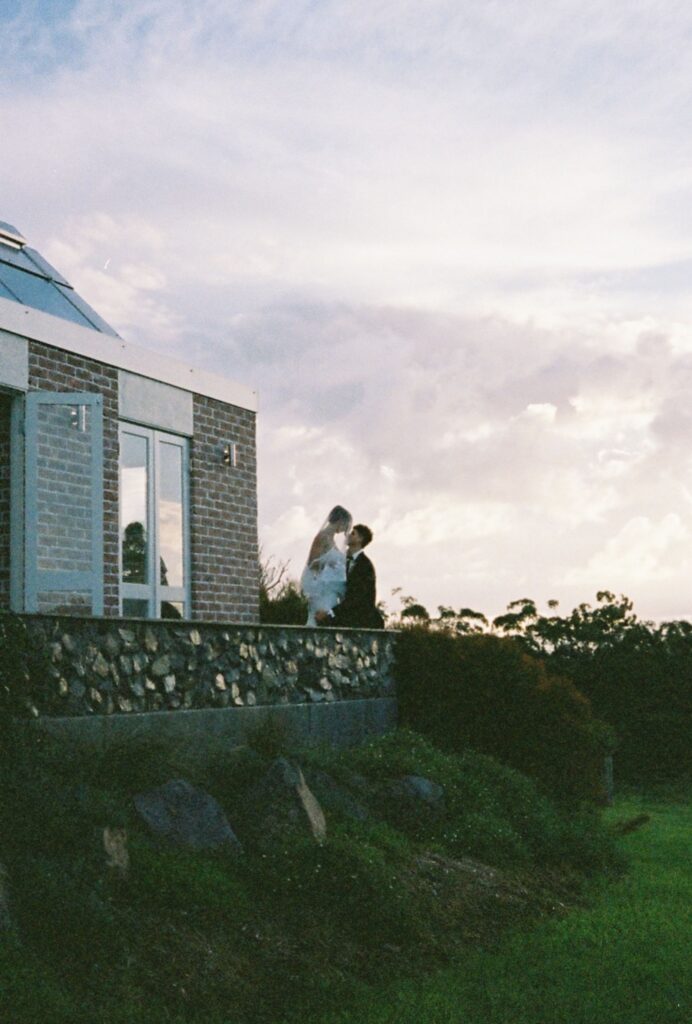
It also perfectly complements my overall approach to wedding photography, which blends documentary storytelling with candid, lightly guided direction, and editorial moments when the setting calls for it. Rather than trying to manufacture “picture-perfect” scenes, my focus is always on capturing things as they are, so your gallery reflects not just how your day looked, but how it truly felt to be there.
If you’d like to learn more about my wedding photography packages or explore adding film to your coverage, you’re more than welcome to reach out for a virtual vibe check. Super chill, no pressure ever, I’d love to meet you both and hear all about what you’ve been planning!
© Tayla Jayne | Site: Ella Jones Design


