
September 24, 2026
By Tayla Jayne Photography
Your Ultimate Guide for Planning a Relaxed, Stress-Free Wedding Day Timeline

Planning your wedding timeline is one of the most important parts of creating a stress-free day. It sets the pace and tone for your entire celebration, helping everything flow smoothly so you can spend less time worrying about what’s next and more time soaking it all in.
Of course, even the most carefully planned weddings rarely run perfectly to schedule. A vendor might arrive a little late, hair and makeup might take longer than expected, or unexpected traffic delays could slow things down when travelling between locations. That’s completely normal! The key is to build in enough buffer time and factor in contingencies from the beginning, so small delays don’t create unnecessary stress or a domino effect that impacts the rest of your timeline.
In this guide, I’ll walk you through everything you need to know about creating your wedding timeline, including the key milestones to plan around, how your timeline influences your photography coverage, an example 8-hour wedding schedule, common FAQs, and more.
Why Your Wedding Day Timeline Matters More Than You Think
More than just a schedule of events, your wedding timeline has a bigger impact on your final gallery than you might realise. While a shorter wedding photography package can still capture the key highlights, allowing enough time throughout your day creates space for the little in-between moments that make your story unique.
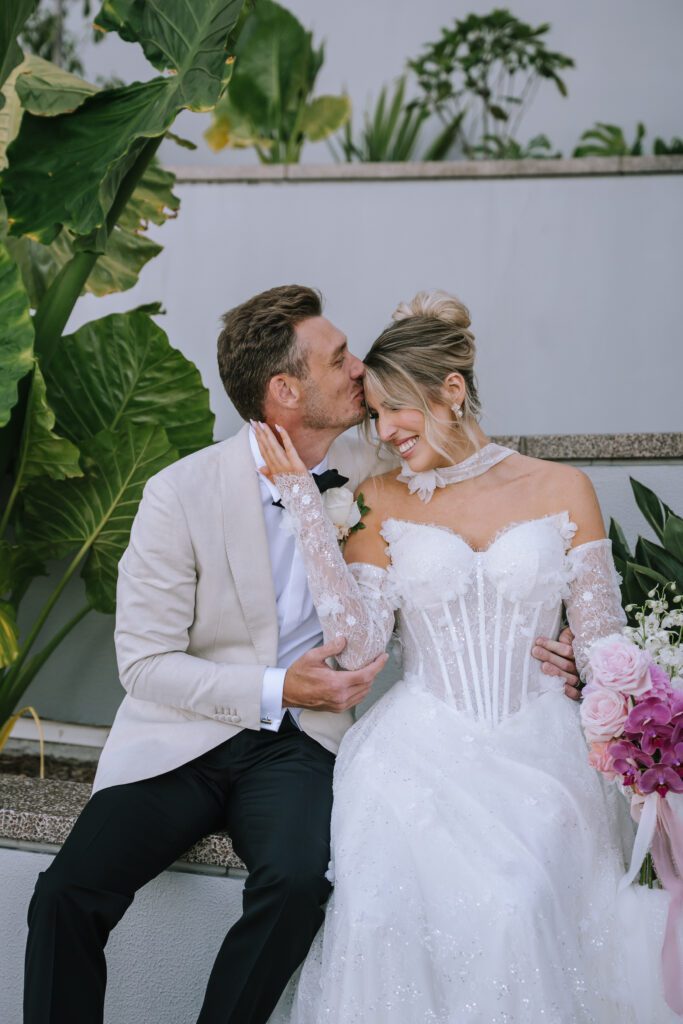
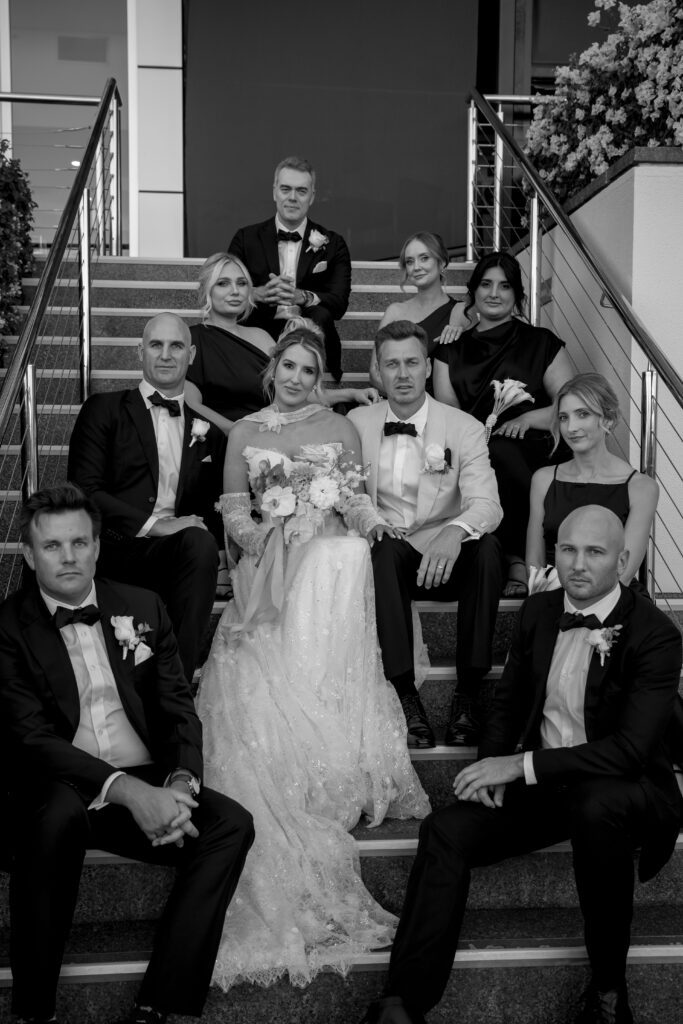
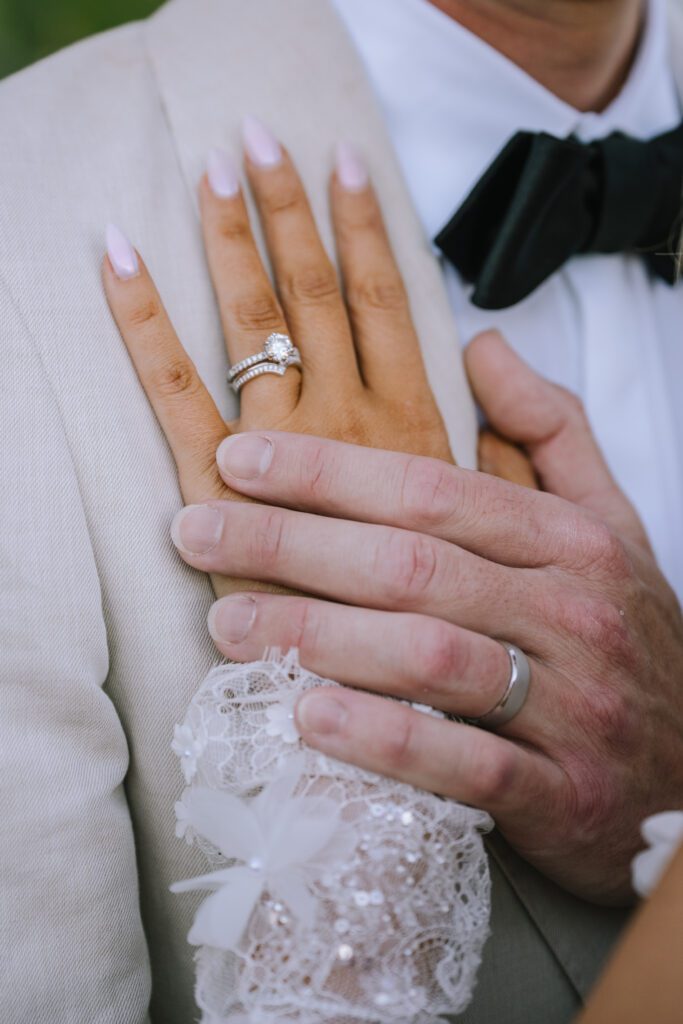

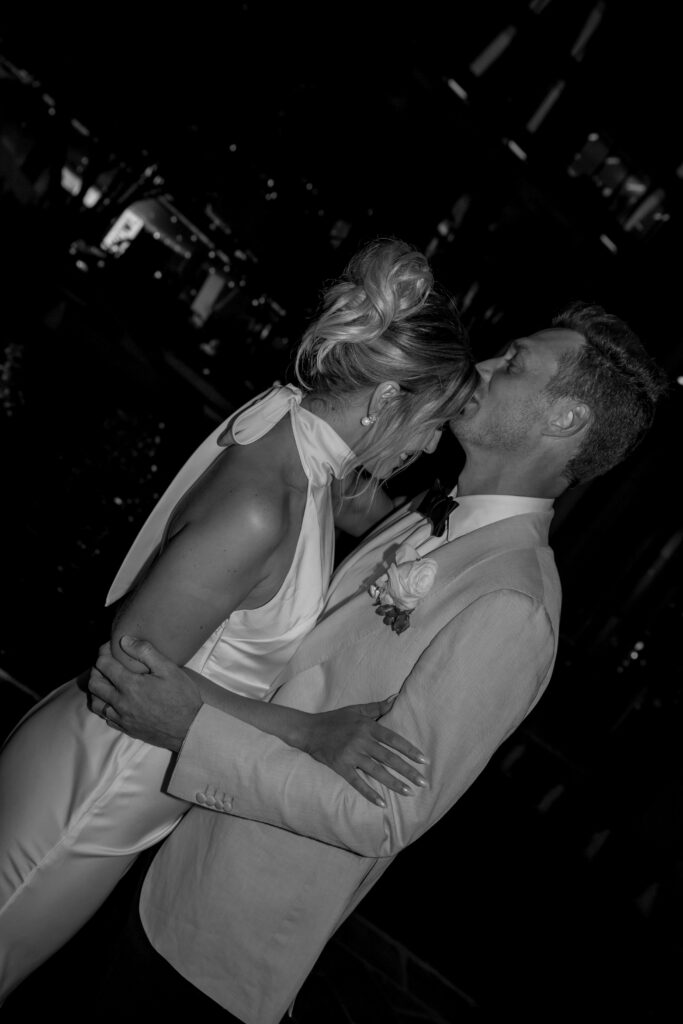
A relaxed wedding timeline means:
- More opportunities for genuine interactions, emotions, and candid moments to naturally unfold
- Less rushing from one part of the day to the next, allowing you to stay present and truly savour the experience
- Time for me to observe what’s happening around me and capture things as they organically happen, rather than focusing on the schedule
- Space to photograph not just the big highlights, but also the finer storytelling details, such as the atmosphere, guest interactions, venue styling, and the overall setting
My wedding photography style is centred on authentic storytelling, blending documentary, candid, and editorial portraits. Rather than manufacturing moments purely for “the shot” or constantly pulling you away for photos, making your wedding feel like an extended photoshoot, I focus on capturing the emotions and exchanges that naturally happen when you’re surrounded by the people you love.
The more breathing room we create in your wedding timeline, the more meaningful and immersive your final gallery will feel.
Key Milestone Timings We’ll Build Your Wedding Timeline Around
In the lead-up to your wedding, I dedicate plenty of time to understanding your plans, what’s most important to you, and how you want your day to feel as a whole. We’ll review your venue run sheet and refine a photography timeline to ensure everything flows naturally.
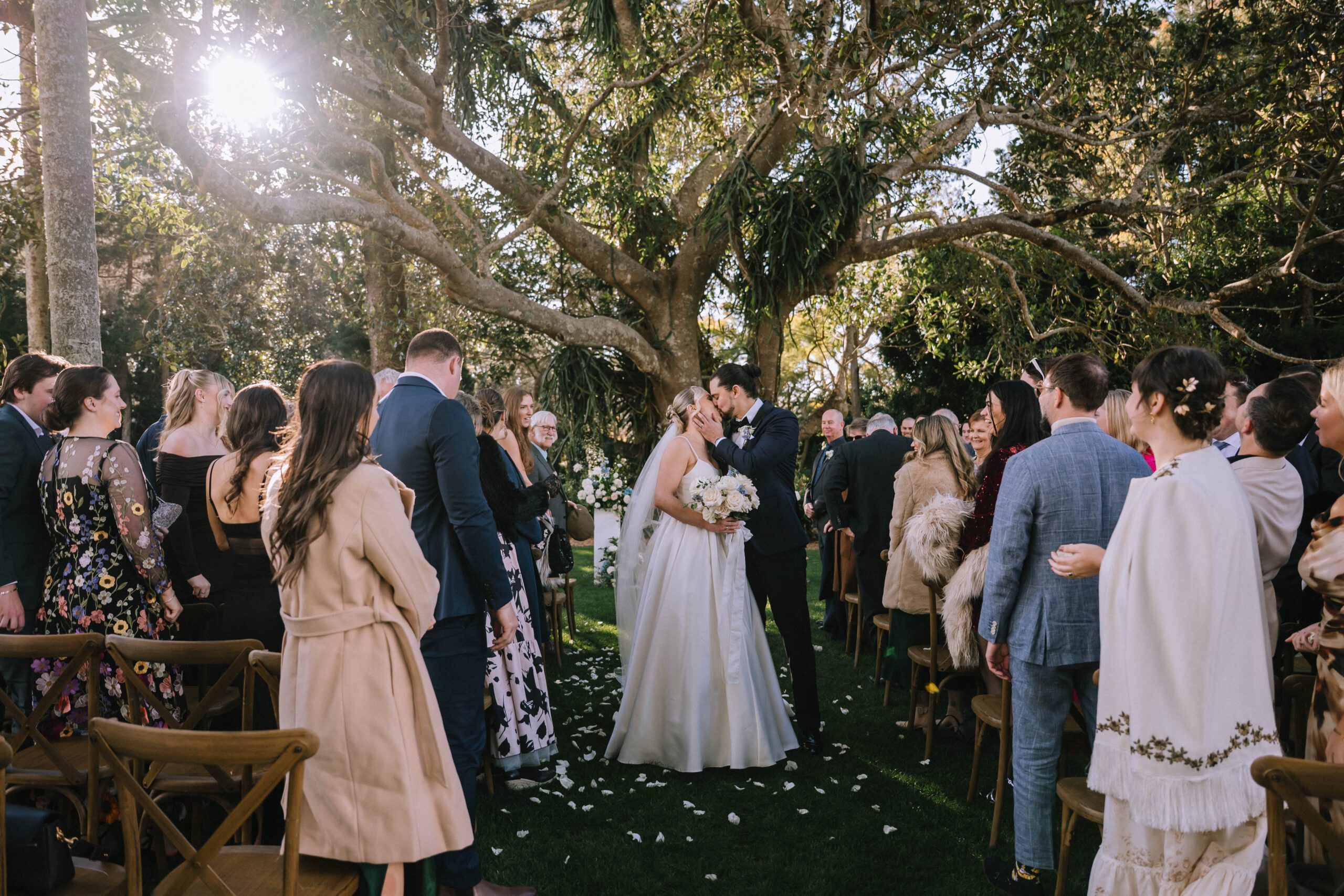
After photographing all kinds of weddings, from intimate celebrations to larger events with multiple locations and moving parts, I’ve learnt how to navigate different scenarios, anticipate when extra time might be needed, and create a schedule that supports your experience rather than restricts it.
While every wedding is different, there are a few key parts of your day that we’ll typically build your wedding photography timeline around. Always protecting your energy, these timeframes are a helpful guide for creating a relaxed flow, rather than a strict schedule you need to follow minute by minute.
Getting Ready: Groom/ Partner 1 Preparation
🕒 Recommended time allocation: 1 hour
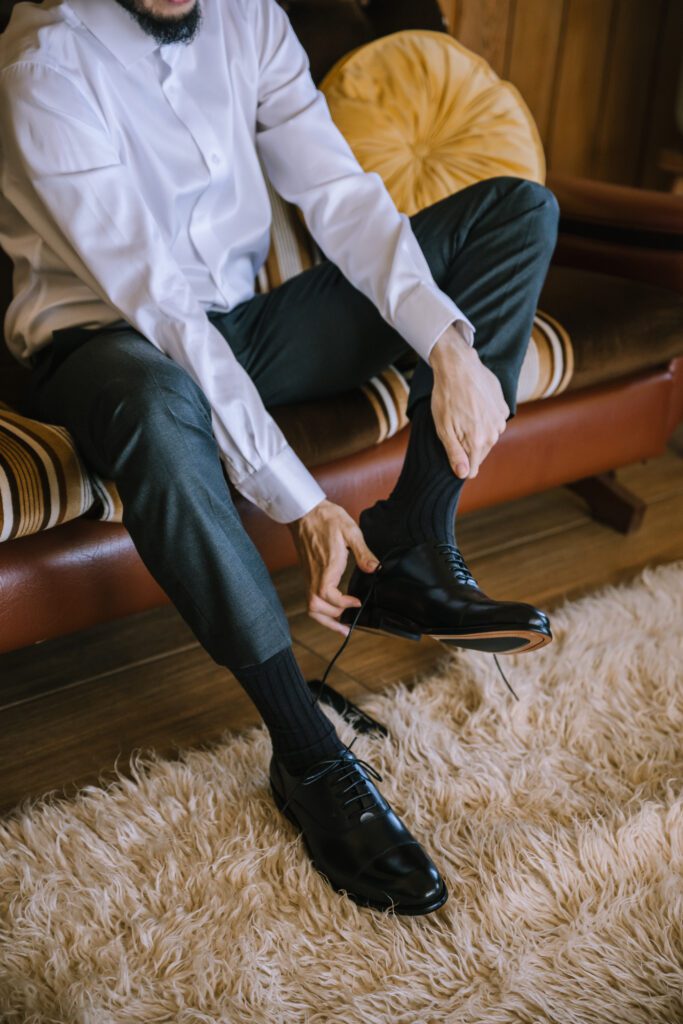
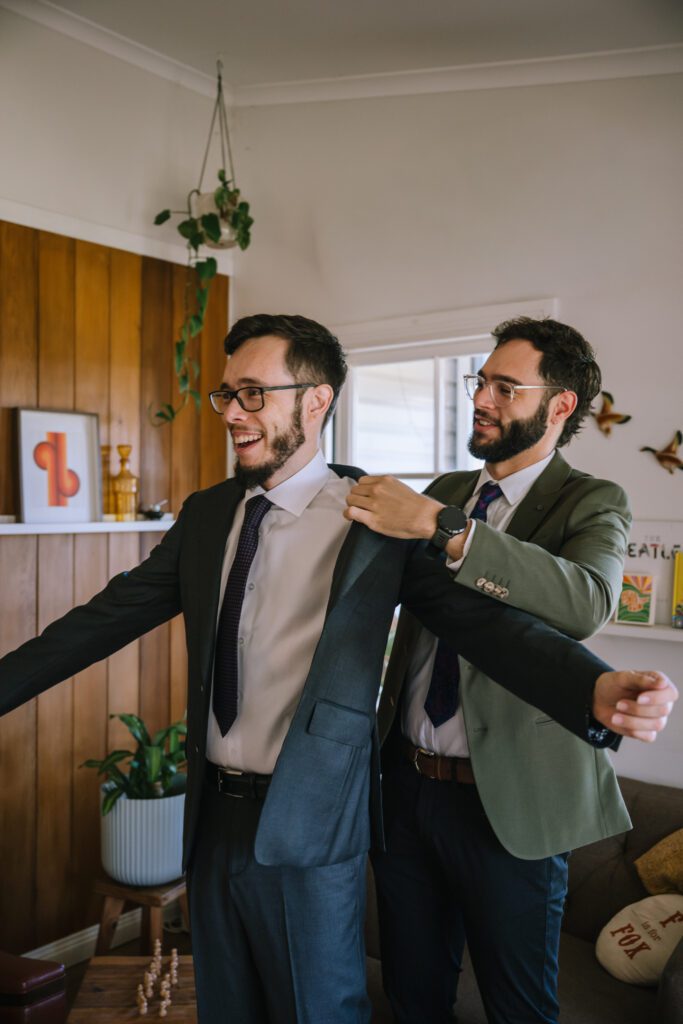
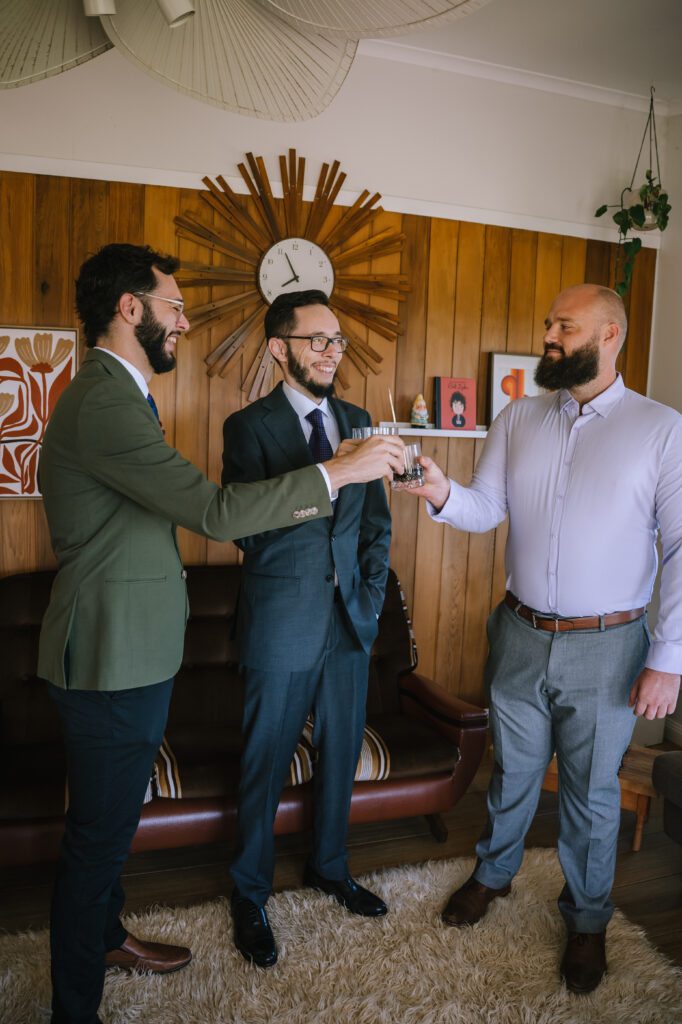
- Ideally, everyone should be showered, dressed, and ready for the final touches before I arrive.
- This gives me time to capture those small details that help tell the beginning of your story, including:
- Putting on your jacket, shoes, cufflinks, tie/bow tie, watch, and accessories
- Moments with your wedding party, family, or anyone helping you get ready
Getting Ready: Bride/ Partner 2 Preparation
🕒 Recommended time allocation: 1.5 hours

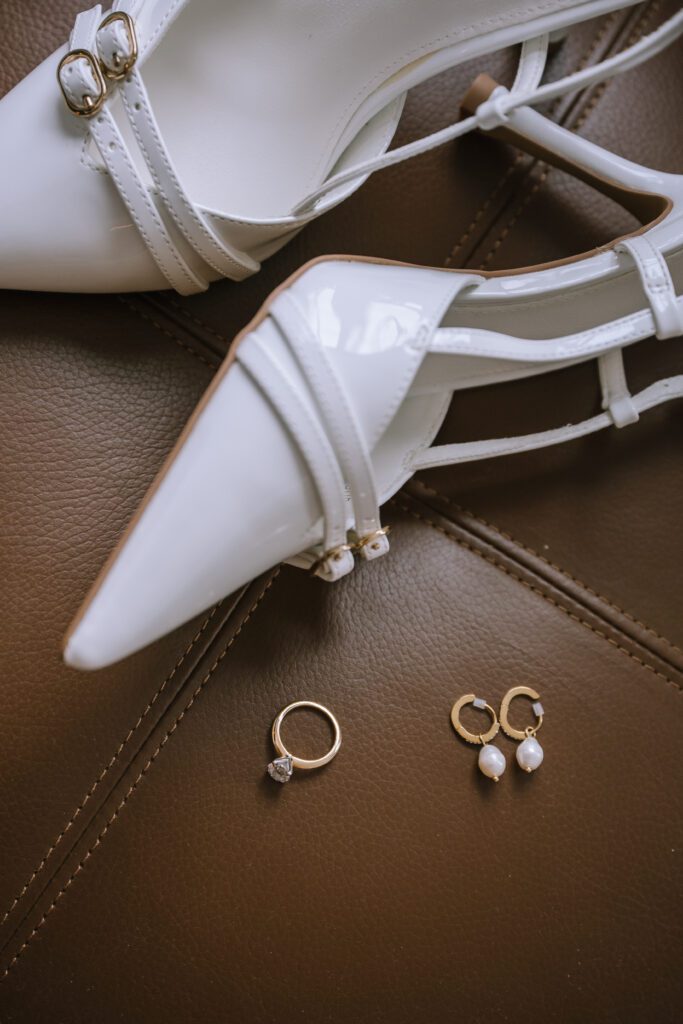
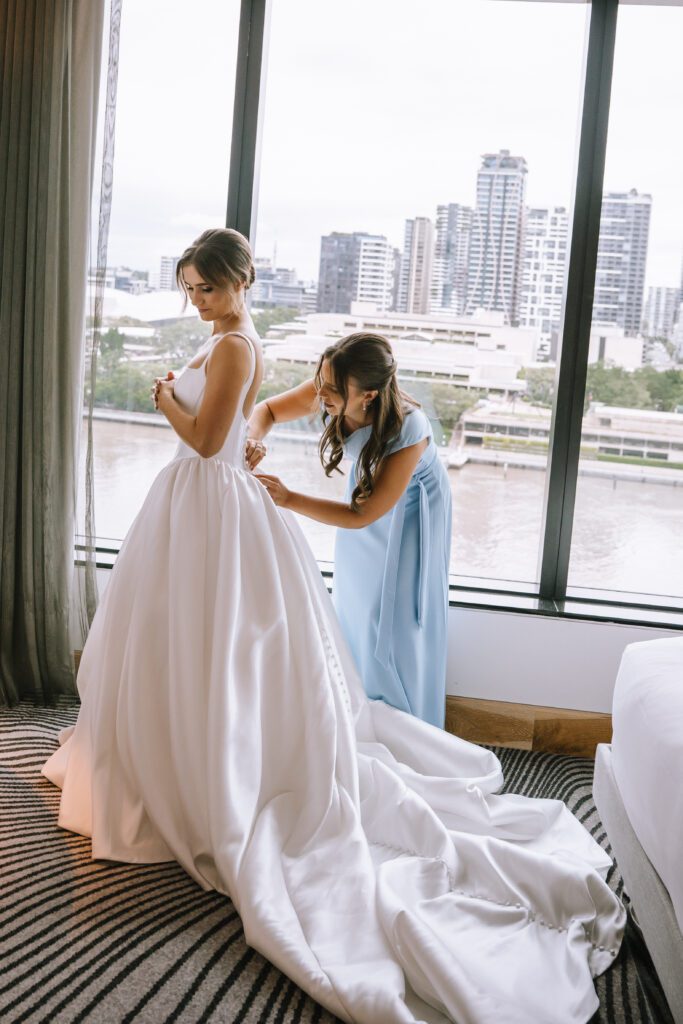

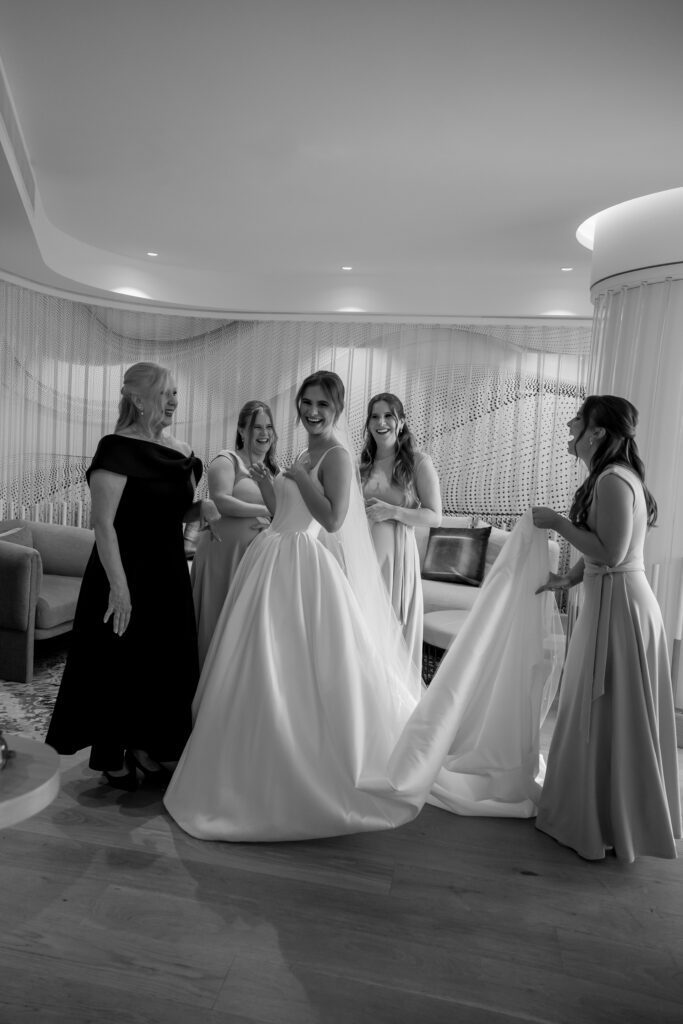
- Hair and makeup should ideally be complete (or in the final stages) when I arrive.
- The first 30 minutes are usually spent capturing details such as:
- Perfume, jewellery, shoes, invitations, rings, and sentimental keepsakes — please have these items set aside before I arrive
- Relaxing with your wedding party in robes, pyjamas, or getting-ready outfits
- Your wedding party and family members should be fully dressed before you put on your final outfit, so we have plenty of time to capture meaningful reactions without feeling rushed.
- Time to get dressed. I’ll capture the back of your dress being done up, and you putting on your veil, accessories, and shoes.
- First looks (optional but worth considering):
- First look with your parents (together or separate) or special person before the ceremony
- First look with your wedding party
First Look: Couple (Optional)
🕒 Recommended time allocation: 15-30 minutes
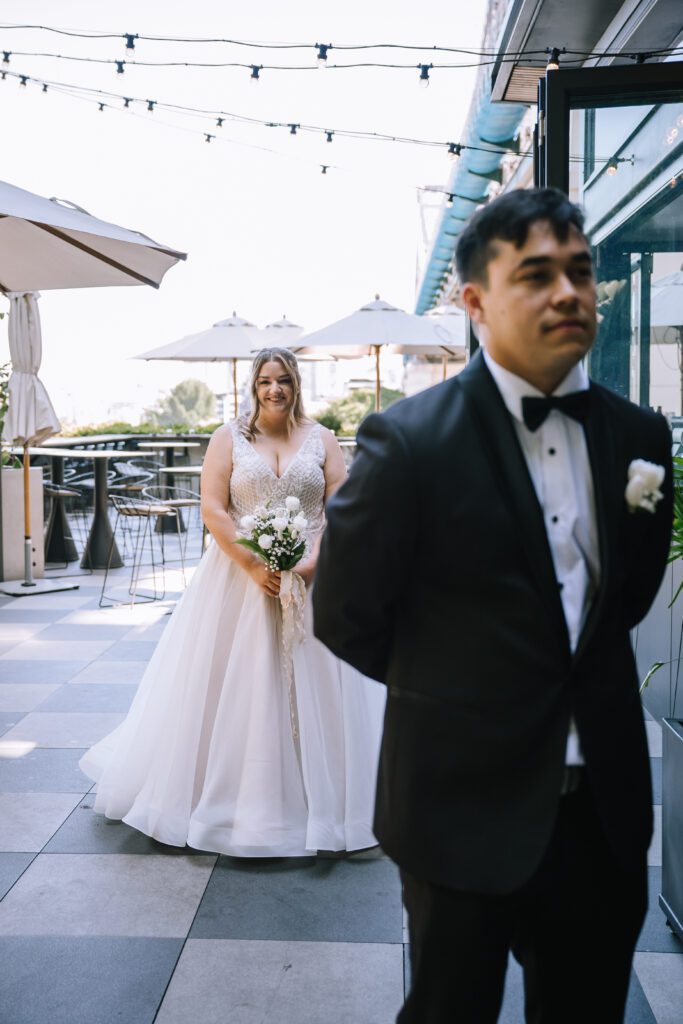

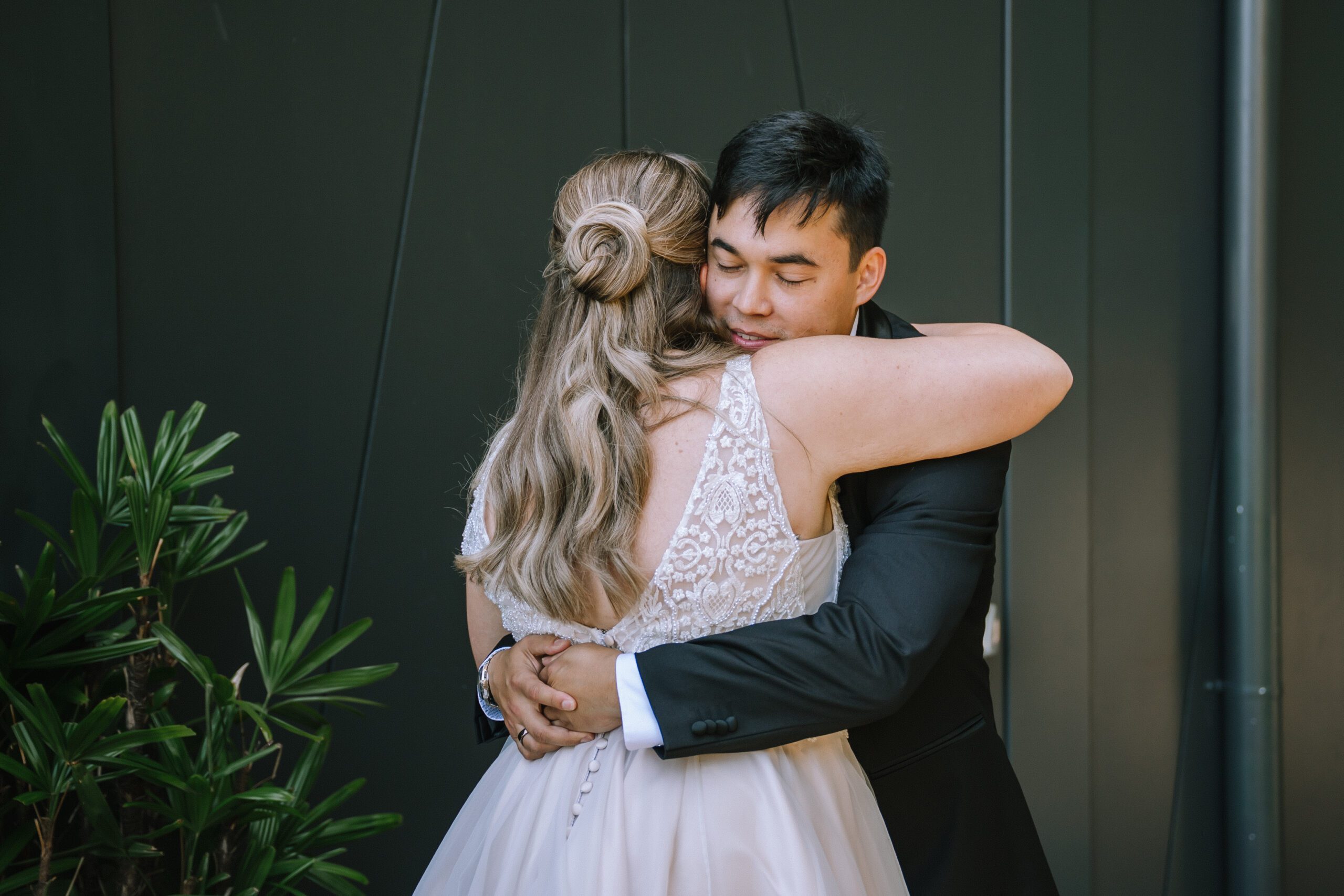
A couple’s first look is when you see each other for the first time before the ceremony, rather than waiting until the aisle. It’s completely optional, but worth considering if you’d like a private moment together before the celebrations begin, or if you want to maximise portrait time later in the day.
If you’re planning a first look, this is where we’d schedule it in your timeline — and if you’d like to exchange gifts or read private vows to each other, this is the perfect time to do that too. We can also capture some couples portraits beforehand, taking a little pressure off the post-ceremony window.
If you’re not doing a first look, you can simply skip this step, and we’ll move straight through to the ceremony.
Wedding Ceremony
I will arrive at your ceremony location at least 30 minutes before it starts.
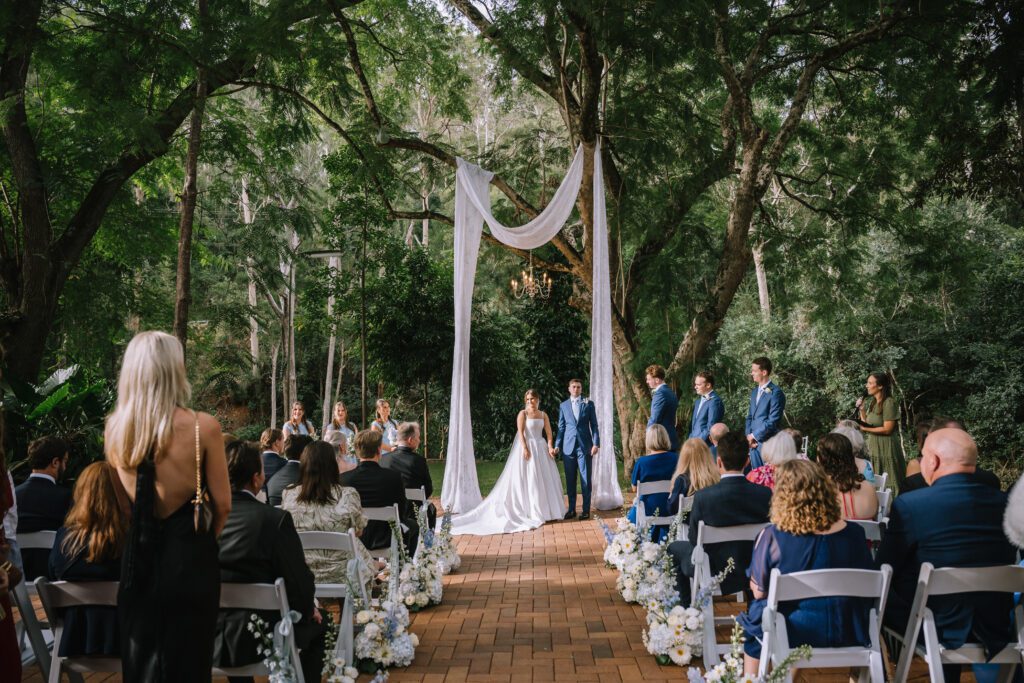

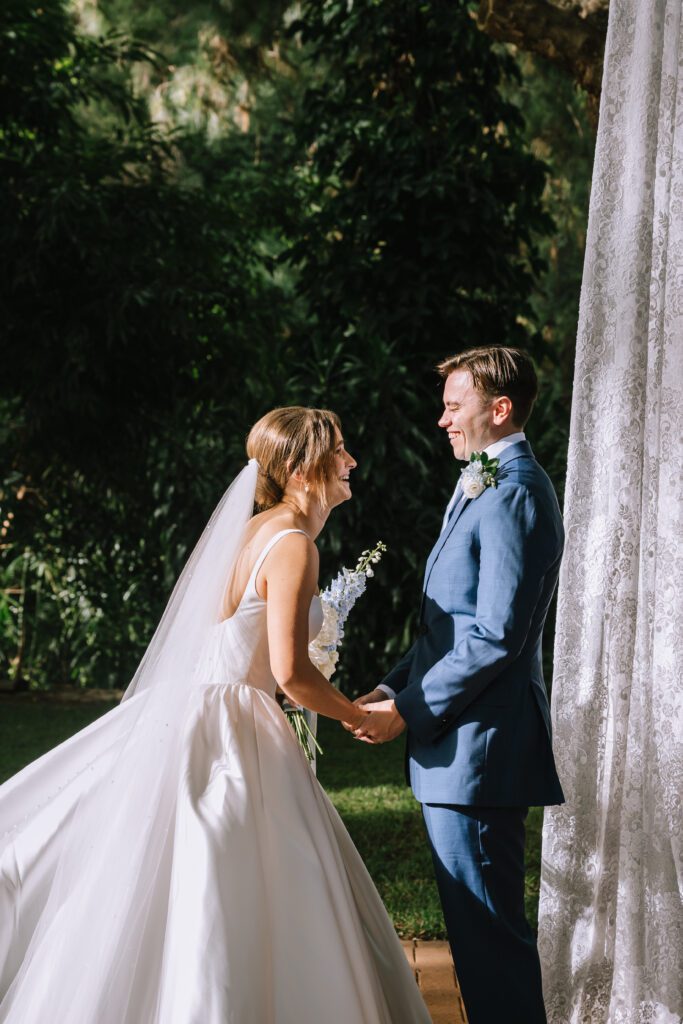

This gives me time to:
- Park and unload my gear
- Photograph your ceremony setup, styling details, and overall atmosphere before your guests begin arriving.
- Capture your guests arriving and settling in before you walk down the aisle.
Most ceremonies run for around 30 minutes, though this can vary depending on your celebrant and any readings or personal touches you’ve incorporated. Your celebrant will be the best person to confirm the expected duration.
Formal Family & Group Portraits
🕒 Recommended time allocation: 30 minutes
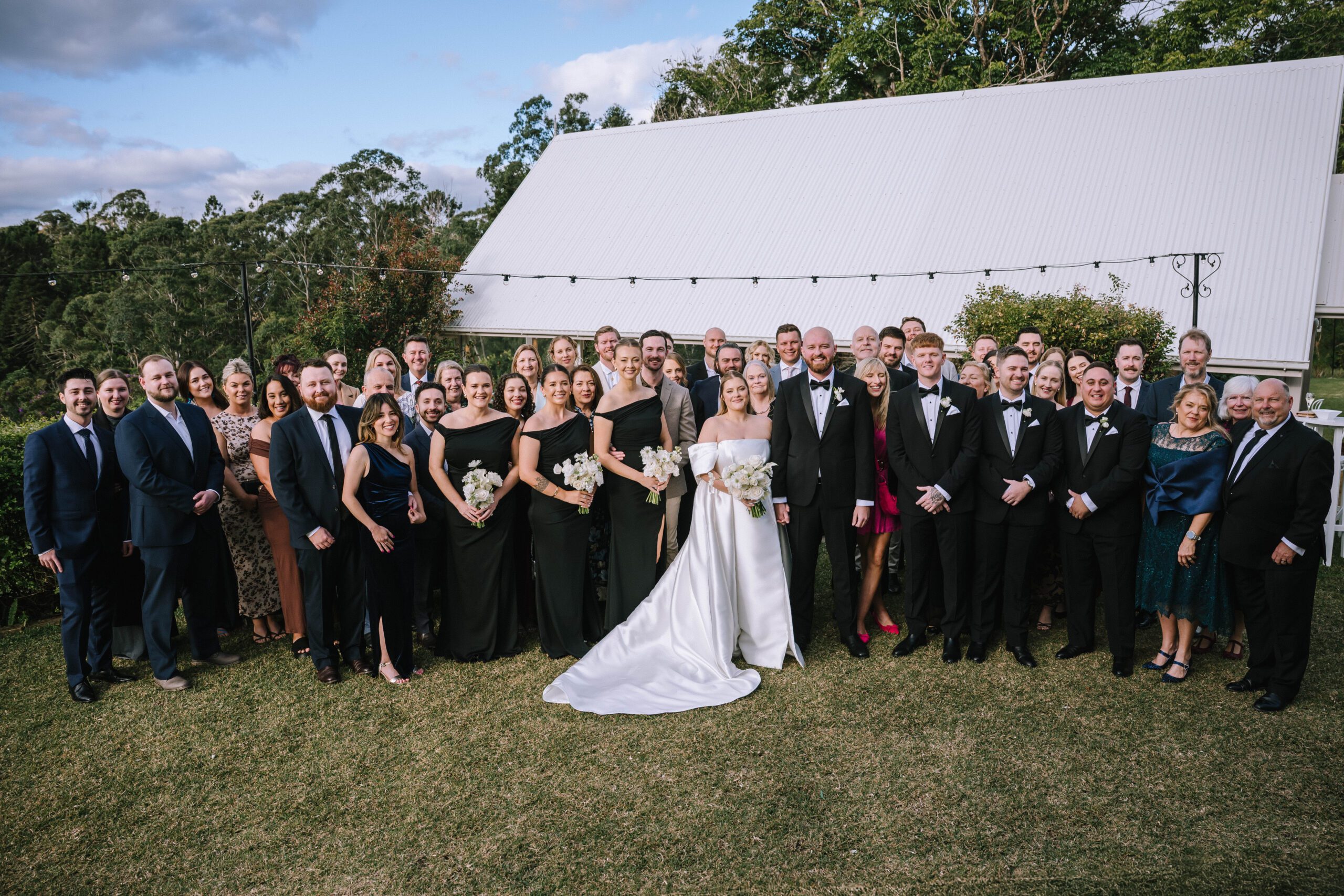
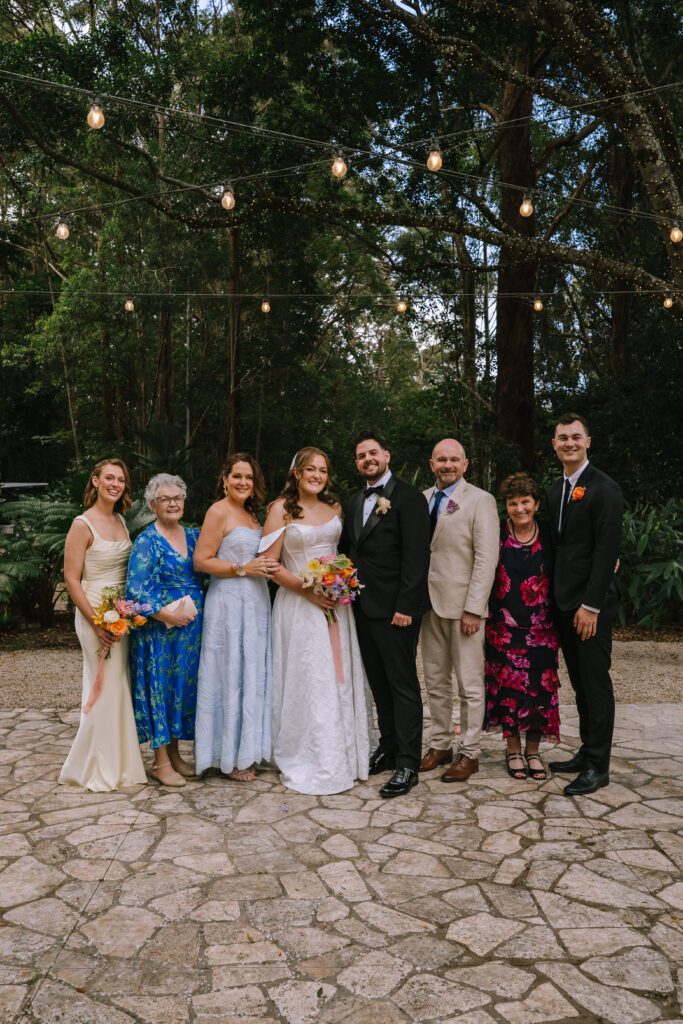
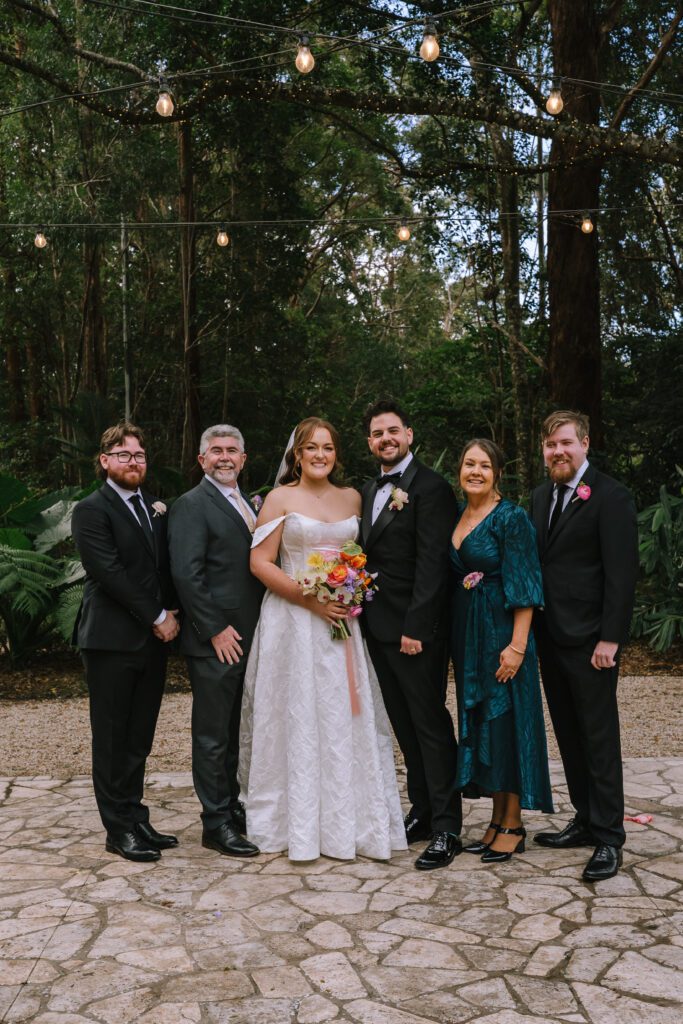
- The exact duration will depend on your family size, the number of combinations you’d like captured, and how efficiently we can gather everyone together.
- I usually recommend keeping this time focused on your immediate family (parents, siblings, grandparents)
- We can either move straight into family photos after your ceremony or allow 5-10 minutes for hugs and congratulations with your guests first.
- Photos with friends are usually best saved for cocktail hour and reception, when everyone is relaxed and enjoying themselves.
Wedding Party Photos
🕒 Recommended time allocation: Minimum 30 minutes

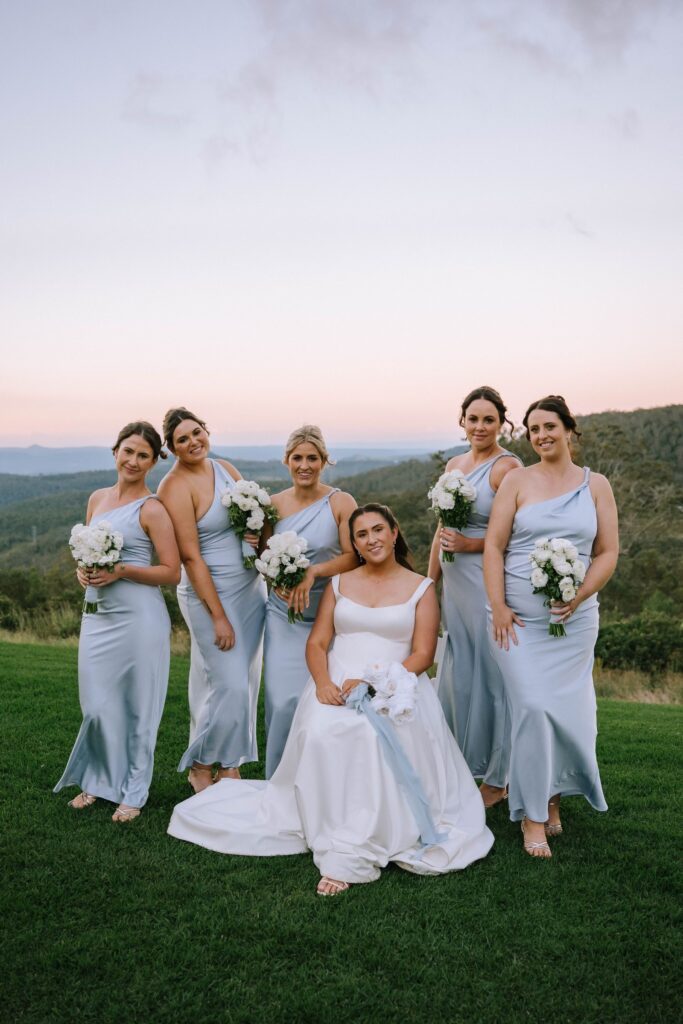

- The exact duration depends on the size of your wedding party
Couple Portraits
🕒 Recommended time allocation: 45-60 minutes
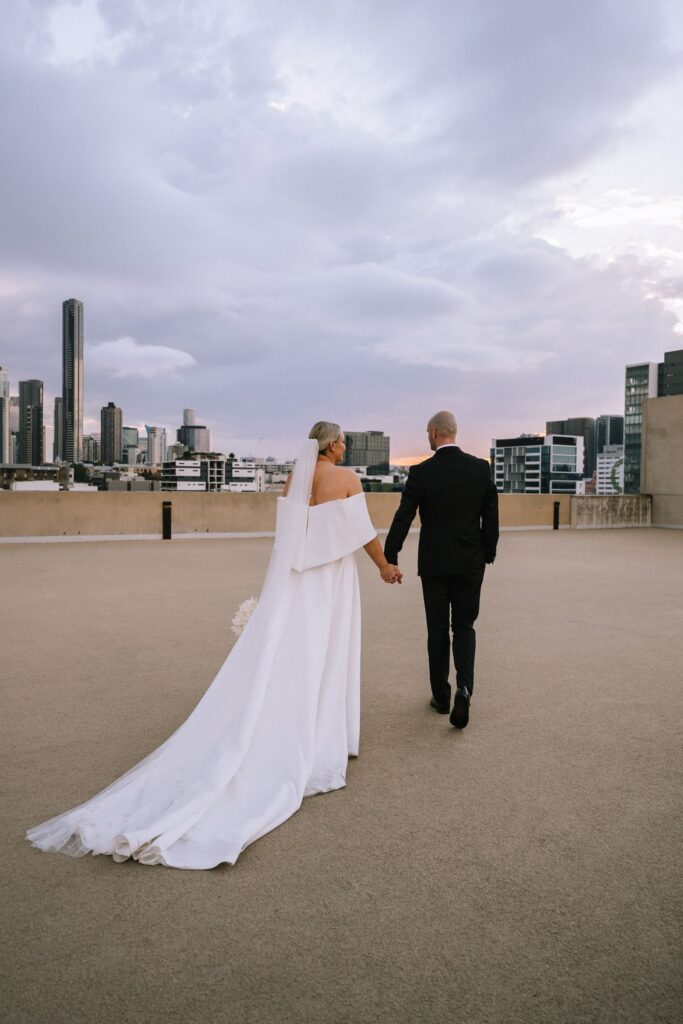
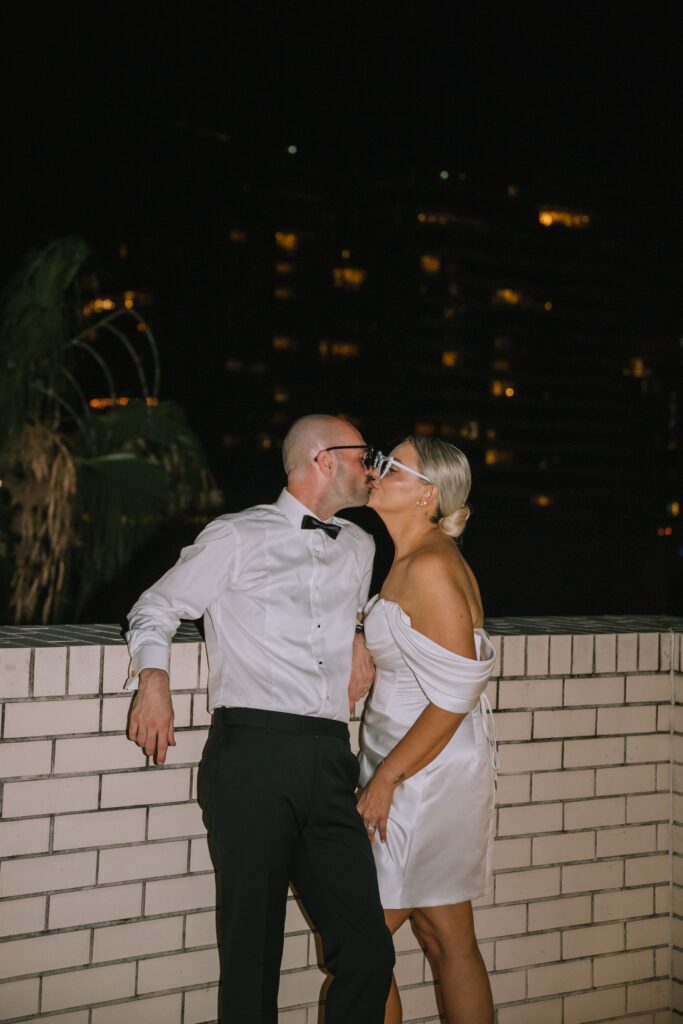
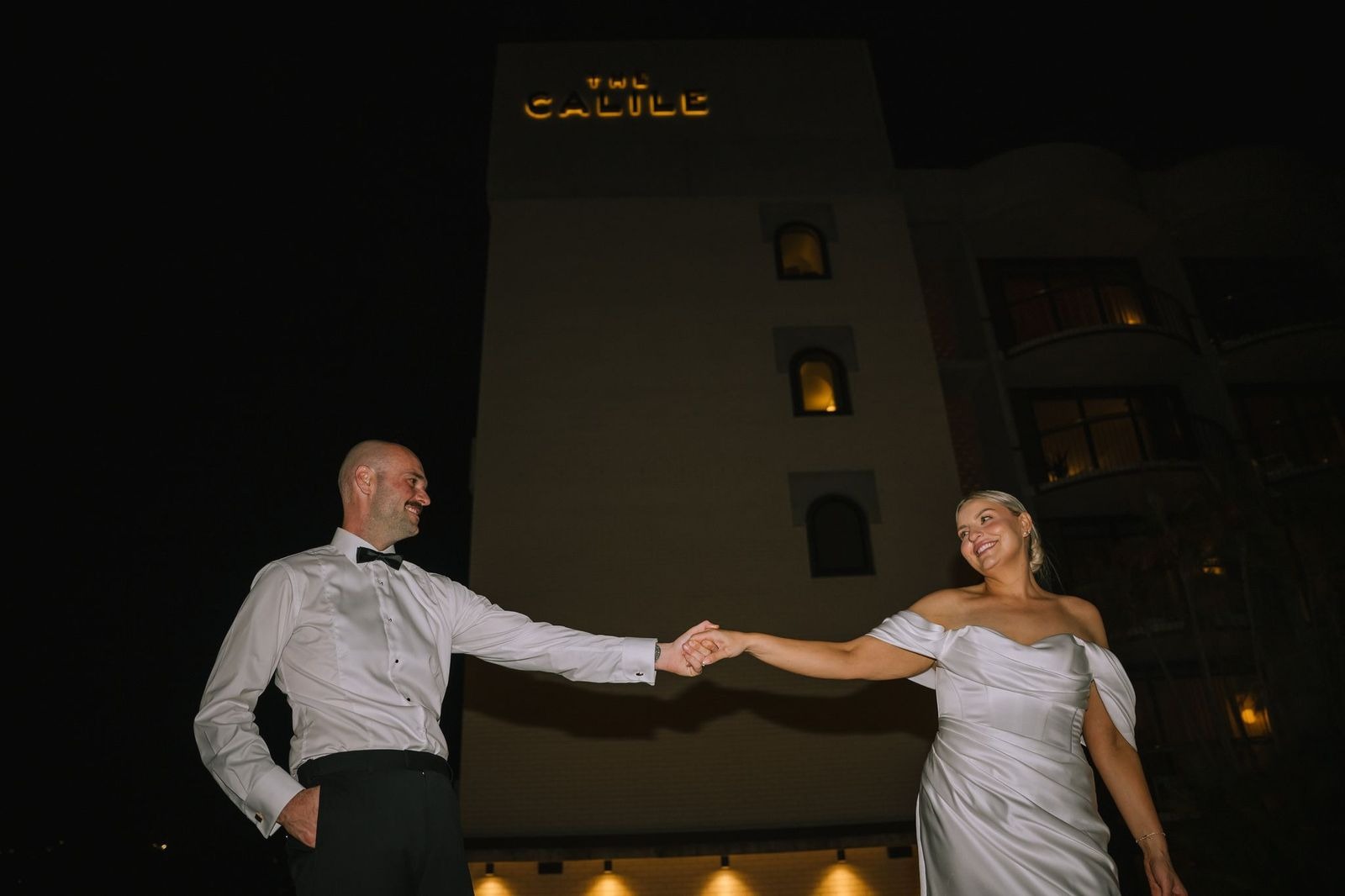
- While we can do these in 30 minutes, I recommend allowing a bit of extra time so you can relax and settle in (and enjoy one of the few parts of the day when it’s just the two of you!).
- I’ll usually schedule your couple portraits between your wedding party photos and your reception entrance — timed to finish around sunset, where possible, to make the most of golden hour.
- If sunset falls during your reception, we can always sneak away for 10–15 minutes between key moments to capture those beautiful golden hour portraits.
Side Note: Why Wedding Photographers Are So Obsessed With Lighting and Golden Hour
If you’ve spent any time researching wedding photography, you’ve probably heard photographers talk about “chasing the light” or the importance of lighting. While it might seem like a small detail, light has a huge impact on how your photos look and feel, shaping everything from the mood and atmosphere to the colours and overall emotion of your gallery.
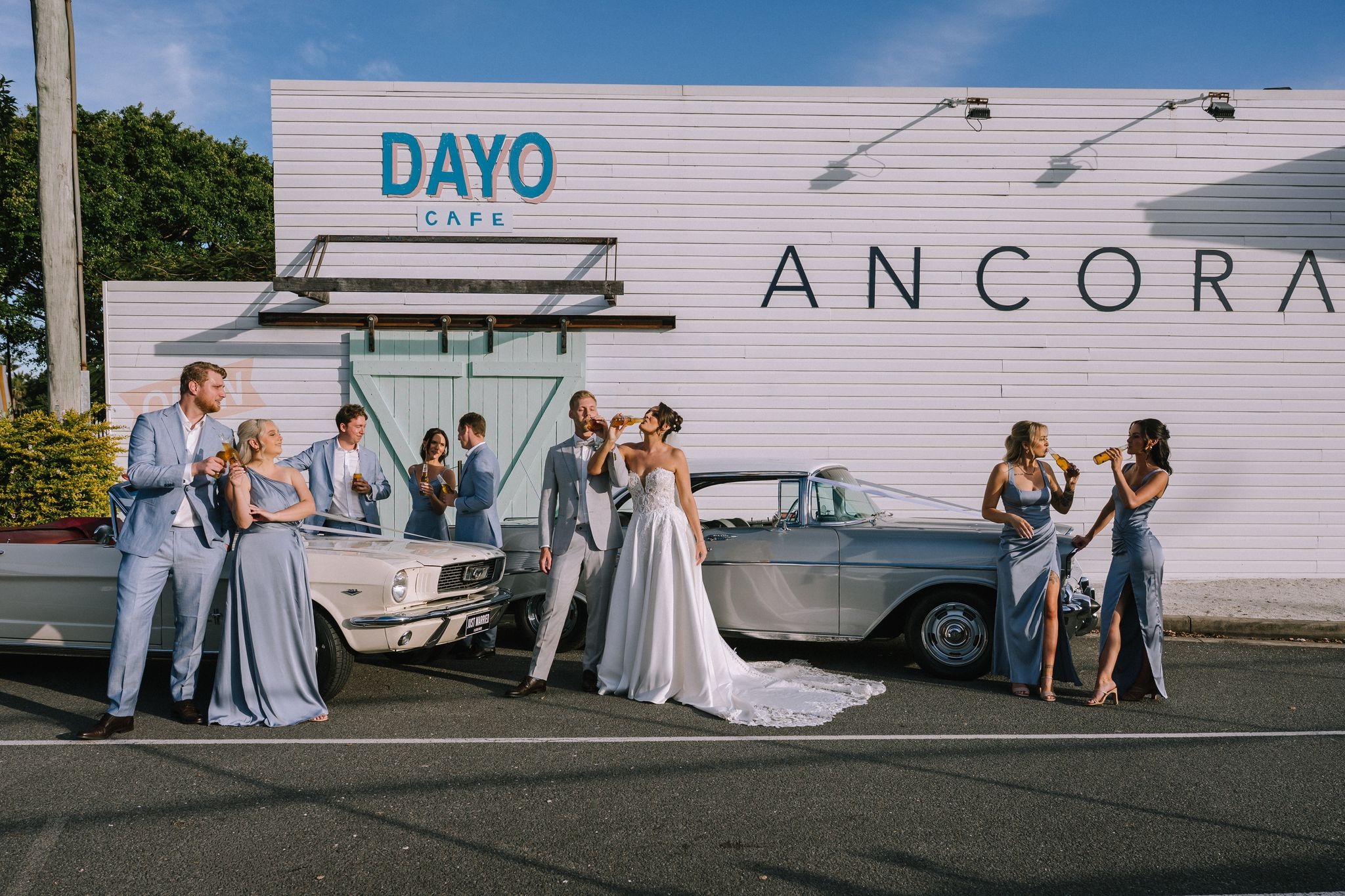

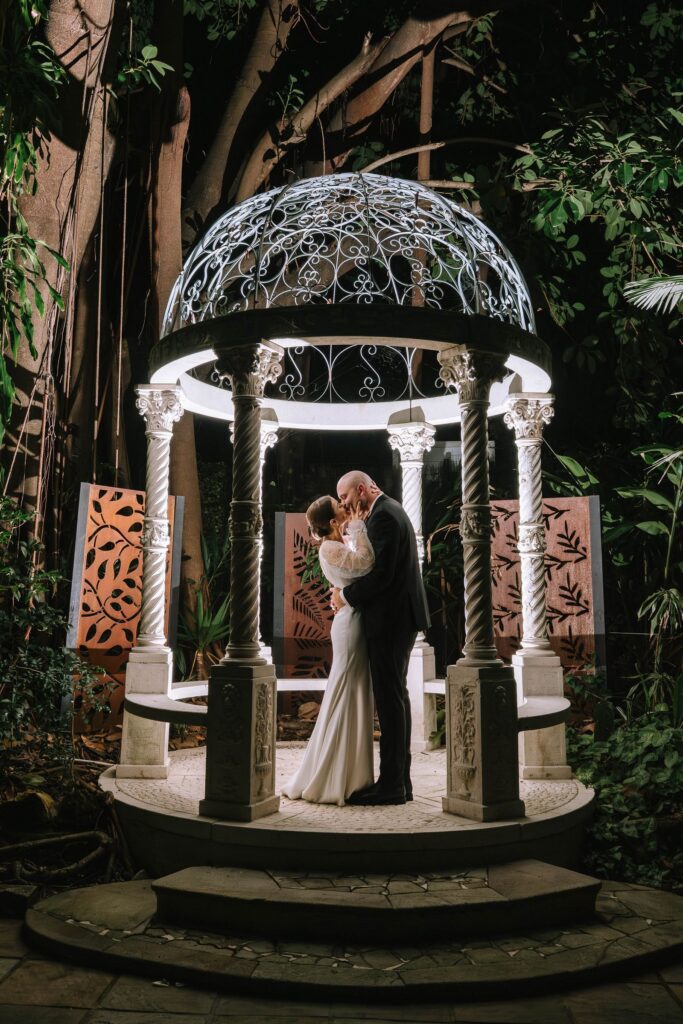
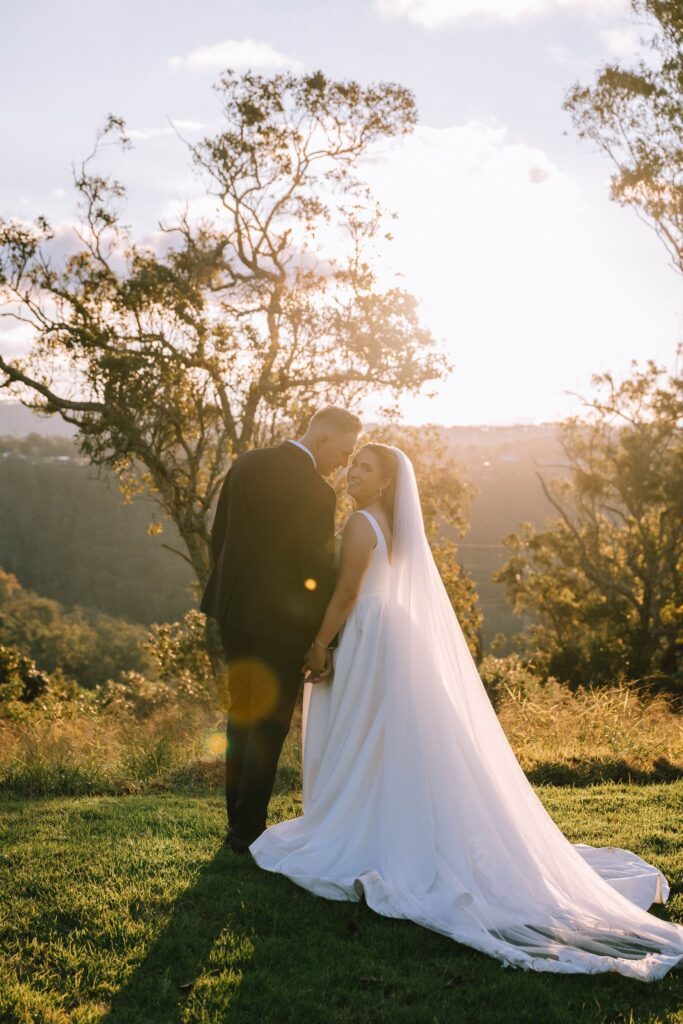
When possible, I’ll always look to make the most of natural light during the day. It’s softer, more flattering, and helps create images that feel more organic and effortless rather than overly lit or staged. Of course, when the sun goes down, creative use of artificial lighting and flash photography can add an entirely different vibe to your reception photos, especially when the dance floor kicks off.
Another term you’ll often hear photographers mention is “golden hour”, which refers to the period shortly before sunset when the light is softer, warmer, and more diffused. It creates a romantic glow that adds depth and a cinematic quality to your photos, which is why I’ll often plan your couple portraits around this window, either before your reception begins or during a short 10–15-minute break between key reception moments.
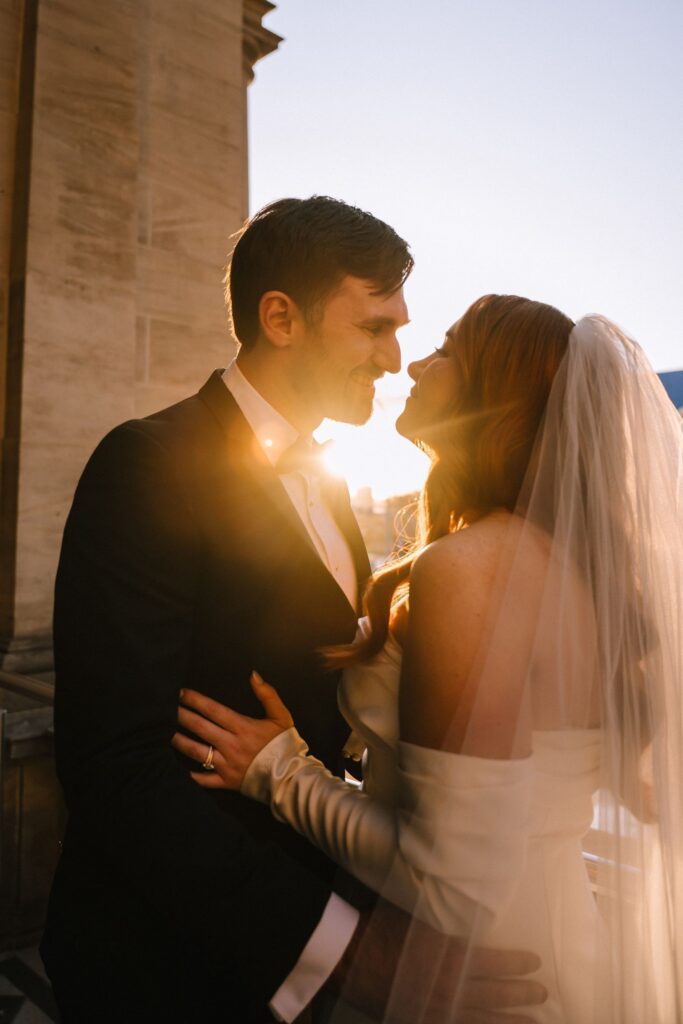

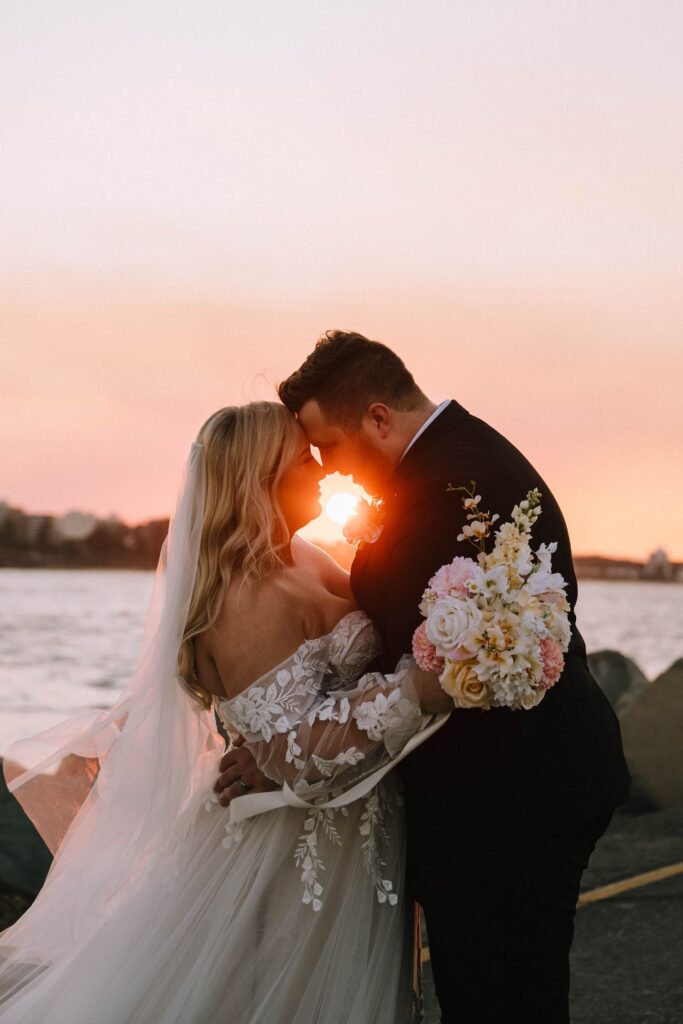
When building your timeline, I’ll always factor in your venue, season, weather, and sunset timings to make the most of the available light throughout your day. Some locations, such as rainforests, mountains, or valleys, can lose natural light earlier, so a little pre-planning goes a long way.
While we’ll always go with the flow on the day, understanding how light changes helps ensure your photos feel natural while still reflecting the energy of your celebration.
Example 8-Hour Wedding Day Timeline
Here’s an example of how a typical eight-hour photography package might flow.
| Time | Key Milestone |
| 12:00 pm – 1:00 pm | Groom/ Partner 1 preparations Capturing the finishing touches, details, and relaxed moments with their wedding party before everyone heads to the ceremony. |
| 1:00 pm – 2:30 pm | Bride/ / Partner 2 preparations Dress details, final hair and makeup touches, getting dressed, your first look with parents or wedding party, and plenty of candid moments before leaving. |
| 2:30 pm | Photographer arrives at the ceremony venue This gives me time to photograph your ceremony and reception setup before guests arrive, capturing all the styling details exactly as you’ve planned. |
| 3:00 pm – 3:30 pm | Wedding ceremony |
| 3:30 pm – 4:00 pm | Congratulations, group photos & family portraits |
| 4:00 pm – 4:30 pm | Cocktail hour A chance to decompress and mingle with your guests, as everyone settles into the festivities ahead. |
| 4:30 pm – 6:00 pm | Wedding party & couple portraits Usually split across a couple of locations and timed to finish around sunset (golden hour) for the most beautiful light. |
| 6:15 pm | Reception entrance |
| Reception | Reception coverage Your photography coverage will generally follow your venue’s run sheet, including your entrance, dinner, speeches, cake cutting, first dance, and dance floor celebrations. |
| Night | Optional night portraits |
Wedding Timeline FAQs
Should we book our wedding photographer before planning our timeline?
Yes! I’d highly recommend booking your wedding photographer before locking in your timeline, as every photographer works a little differently.

Once you’ve chosen your photographer, they’ll be able to guide you on how much time to allow for each part of the day, from getting ready and family photos through to couple portraits and golden hour. They’ll also help identify opportunities to create a smoother, more relaxed flow.
Generally speaking, it’s much easier to build your timeline once you’ve confirmed your ceremony time and photography coverage.
Can you help us create our wedding day timeline?
Of course. While your venue or planner may provide a run sheet for the logistics of your day, I’ll help you create a photography timeline that ensures there’s enough time for every important moment without anything feeling rushed.
Around 6–8 weeks before your wedding, I’ll send through a questionnaire to gather all the details I need, including your ceremony and reception timings, getting-ready locations, venue run sheet, must-have photos, and any special moments you’d like captured.
From there, I’ll create a tailored photography timeline that accounts for everything from travel time and portrait windows to sunset times and the natural flow of your celebration. If you have a wedding planner or coordinator, I’ll also work alongside them to ensure everyone is aligned and the day runs smoothly.
What if the photography coverage we’ve booked isn’t enough? Can we add extra hours later?
Absolutely. Whether your hair and makeup runs overtime or you spontaneously decide to throw a cheeky afterparty, you might end up needing more coverage than you originally planned.
Every photographer has a different policy, but when you book me, I reserve your entire wedding date, which means I don’t make any other commitments before or after. That gives us a lot more flexibility if timings shift. Additional coverage can be added for $450 per hour before your wedding day or $550 per hour on the day itself.
Should we do a first look?
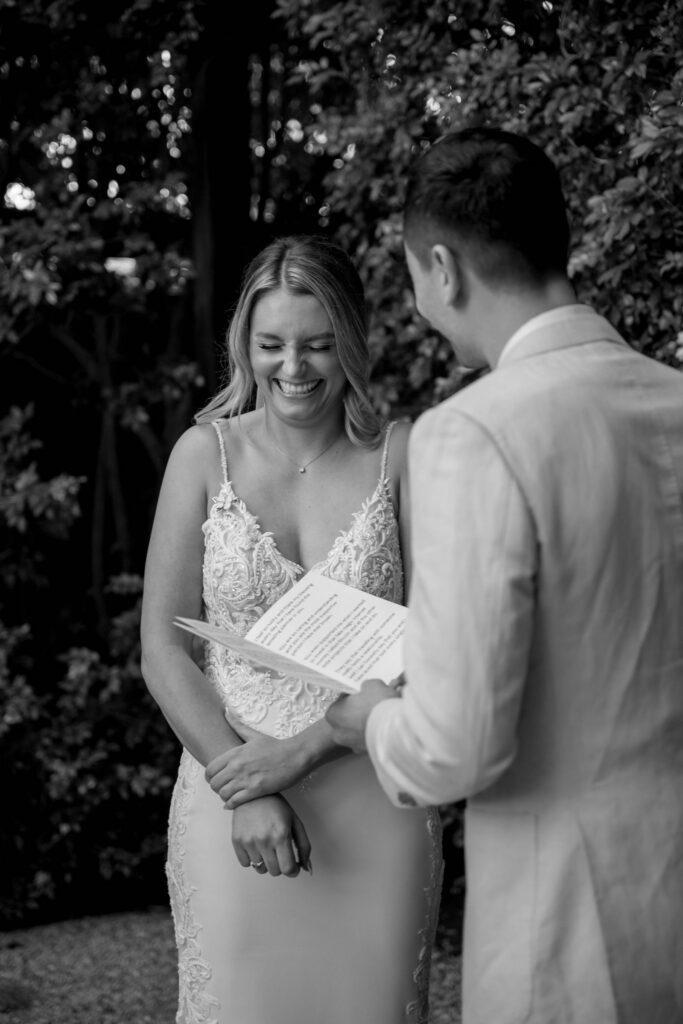
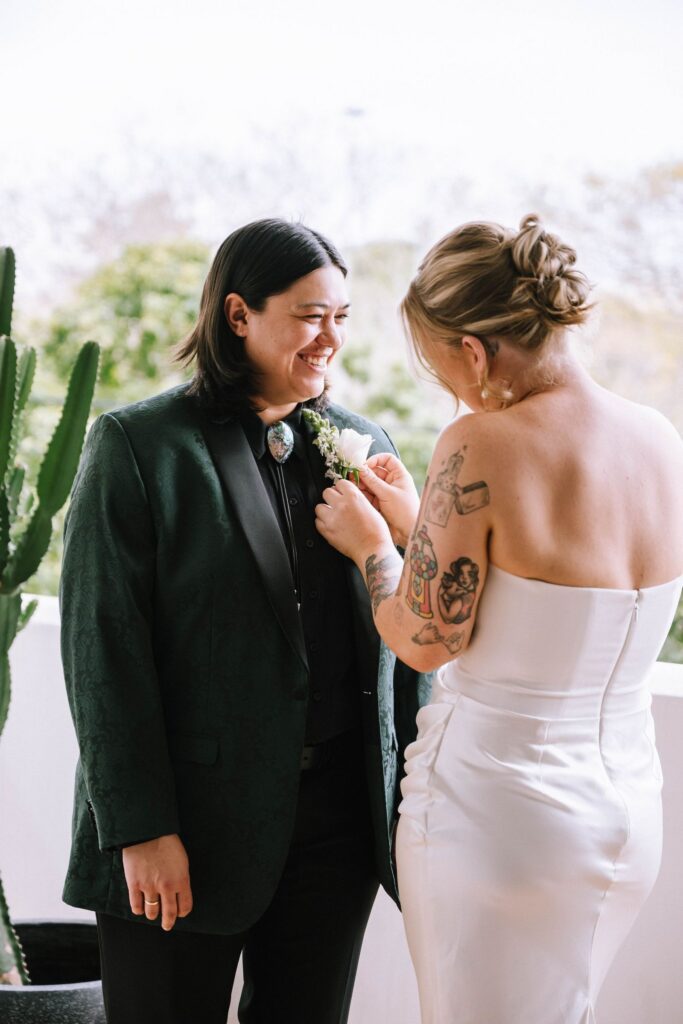
A first look is a private moment before the ceremony where you see each other in your wedding attire for the very first time. Some couples also choose to exchange private vows or gifts during this time, with their photographer (and videographer, if they’ve booked one) there to document it discreetly.
Whether you choose to include a first look in your wedding day timeline is completely up to you.
Personally, I love first looks because they give you both a chance to pause and soak in the significance of the day before everything officially begins. If you’re naturally shy or don’t love being the centre of attention, they can also make it easier to express your true in-the-moment emotions without an entire crowd watching.
As a bonus, they can also free up more time later in the day, allowing you to enjoy cocktail hour with your guests rather than spending that entire period of time taking portraits.
Does our wedding photographer need to stay until the end of the night?
Not necessarily.
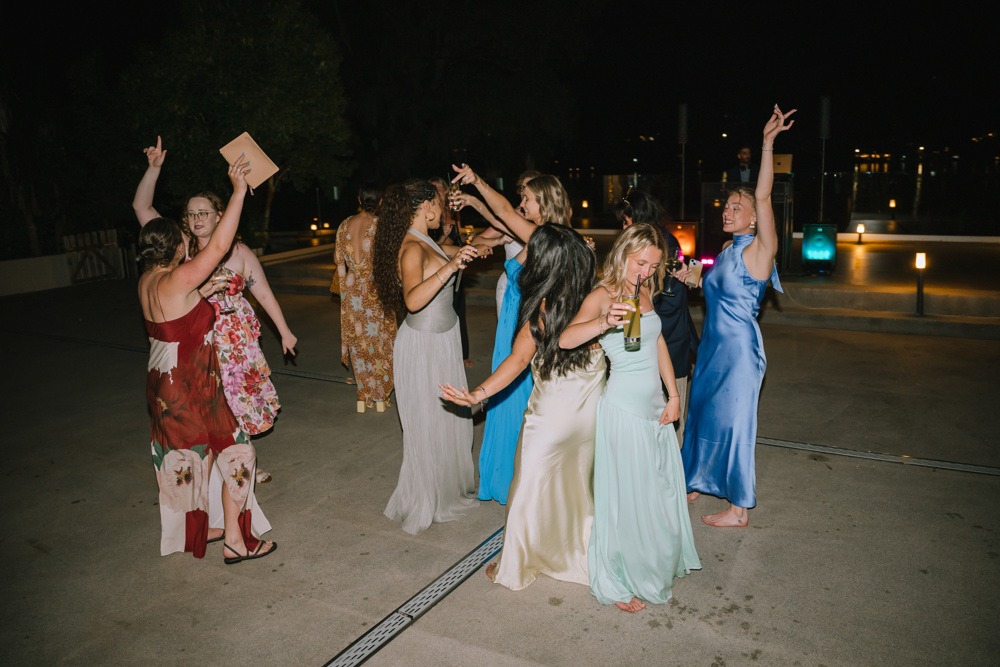
Most photographers finish their coverage once the dance floor is in full swing. By that stage, you’ve usually captured the key moments of the reception, and while the party may continue for hours, the photos often become quite repetitive.


If you’re deciding between extending coverage late into the evening or having your photographer start earlier to capture getting ready, I’d almost always recommend the latter. Those quieter moments at the beginning of the day help tell a much more complete story. From your wedding party helping you get dressed to first look hugs with your parents, they’re often some of the most emotional photographs you’ll receive.
How much buffer time should we allow?
I recommend allowing at least 10–15 minutes of buffer time around every major milestone, whether that’s your first look, ceremony, family photos, or couple portraits.
A little breathing room goes a long way. It means if one part of the day runs behind, you’re much less likely to feel like you’re rushing from one thing to the next.
If you’re having professional hair and makeup, I’d also recommend allowing 30–45 minutes between finishing your final touch-ups and getting dressed. Hair and makeup almost always take a little longer than expected, and it’s nice to have some extra time to enjoy a bit of champagne or simply take it all in before the day begins.
What if we’re running late?
First things first, don’t panic. Wedding timelines are designed to guide the day, not control it down to the minute. If you’ve ever been to a wedding before, you’ll know something almost always runs a little behind, whether it’s traffic or guests taking longer than expected to settle before the ceremony.

If you don’t have a wedding planner or coordinator, designate a trusted family member or friend to keep an eye on the schedule and communicate any timing changes to your vendors. That way, you can stay focused on enjoying your day instead of constantly checking the time.
The best weddings aren’t remembered because everything ran perfectly to schedule. They’re remembered because of how they felt. A little flexibility and a few deep breaths will go a long way.
Your Wedding Day Should Feel as Good as It Looks
Above all, your photos will reflect the overall energy and emotions of your wedding day. We want more happy, laid-back vibes than furrowed brows and forced “OMG, can we get a move on, we’re running SO late” smiles, because the way you feel in the moment will always shine through in your photos.
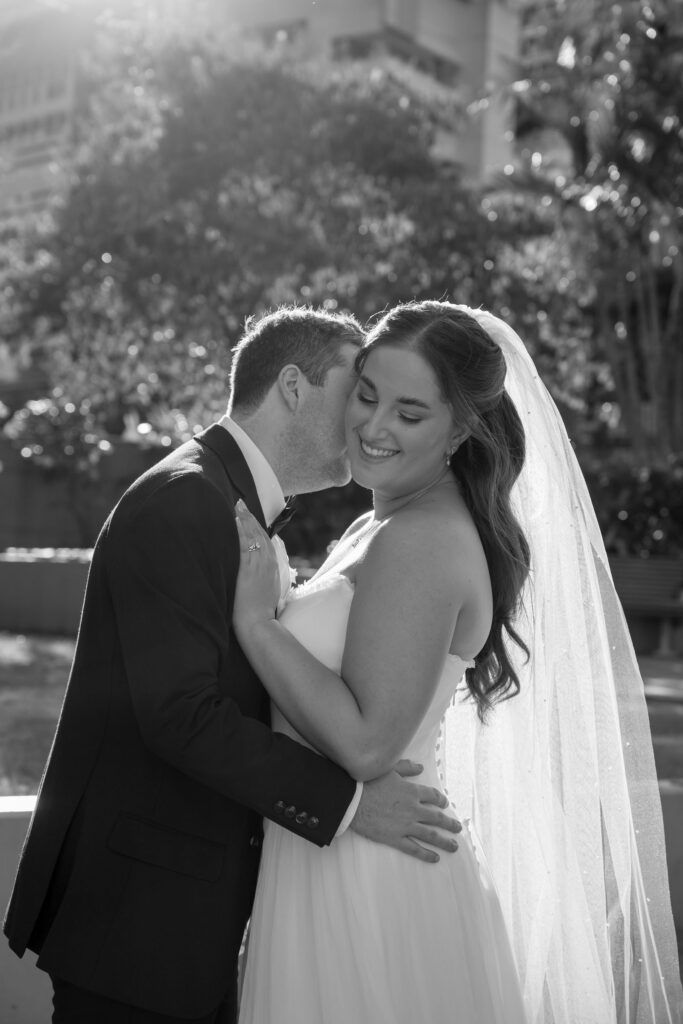

That’s why, as your wedding photographer, my role goes beyond simply showing up on the day. One of my biggest goals is to support and guide you throughout your wedding planning journey, including helping you create a realistic, intentional timeline that lets your celebration flow naturally, so your gallery feels just as joyful and authentic as the memories themselves.
Whether you’re getting hitched on the Sunshine Coast, somewhere else in Australia, or planning a destination wedding overseas, I’d love to hear more about what you’re dreaming up and create a wedding photography package that feels completely tailored to you. Please get in touch to learn more.
© Tayla Jayne | Site: Ella Jones Design


